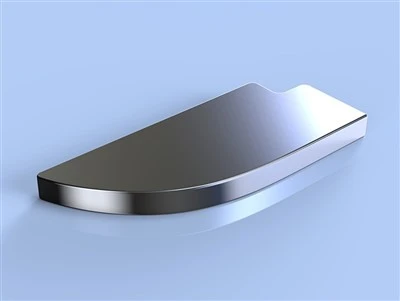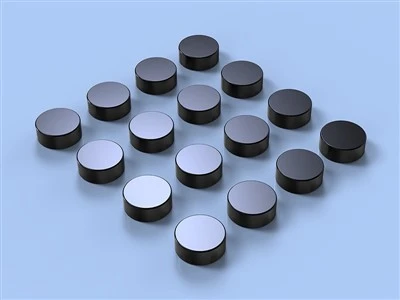

Hey there! As a supplier of Tin Coating Magnet, I've got quite a bit of knowledge about how tin coating behaves under mechanical stress. In this blog, I'll break down all the important stuff for you.
First off, let's talk about what tin coating is all about. Tin coating is a popular surface treatment for magnets, especially neodymium magnets. It provides a protective layer that helps prevent corrosion and can also enhance the appearance of the magnets. Many times, we choose tin coating because it's relatively easy to apply and offers good performance in different environments.
Now, when it comes to mechanical stress, there are several types that a tin-coated magnet might face. One of the most common ones is tensile stress. Tensile stress happens when the magnet is being pulled apart. Think about a situation where a tin-coated magnet is being used in a machine and there's a force trying to stretch it.
How does the tin coating respond to tensile stress? Well, tin has its own set of properties. It's a relatively soft metal. When the magnet experiences tensile stress, the tin coating initially tries to deform along with the magnet. If the stress is low, the tin coating might just stretch a bit without any major issues. But as the stress increases, things can get a bit tricky.
At a certain point, the tin coating might start to crack. These cracks can be a problem because they expose the underlying magnet material to the environment. Once the magnet material is exposed, it becomes more vulnerable to corrosion. For example, if the magnet is used in a humid environment, moisture can get into the cracks and start to react with the magnet, which can reduce its performance over time.
Another type of mechanical stress is compressive stress. Compressive stress occurs when the magnet is being squeezed. You might find tin-coated magnets in applications where they're being pressed together, like in some magnetic assemblies.
When it comes to compressive stress, the tin coating also has its behavior. The tin coating is generally good at handling a certain amount of compressive force. It can distribute the pressure to some extent. However, if the compressive stress is too high, the tin coating can buckle. Buckling is when the coating starts to fold or warp. This can also lead to the coating peeling off in some cases. Once the coating peels off, just like with the cracking from tensile stress, the magnet's protection is compromised.
Shear stress is yet another form of mechanical stress that tin-coated magnets can encounter. Shear stress happens when two parts of the magnet are sliding past each other in opposite directions. This can occur in a rotating magnetic device, for example.
The tin coating's response to shear stress is related to its adhesion to the magnet surface. If the adhesion is strong, the tin coating will try to resist the shearing force. But shear stress can be quite damaging. If it's significant, it can cause the tin coating to delaminate from the magnet. Delamination is like the coating separating from the magnet, and this is obviously not good for the long - term performance of the magnet.
So, what can we do to ensure that the tin - coated magnets can better withstand mechanical stress? One thing is to control the thickness of the tin coating. A thicker coating might be able to handle more stress, but it also has its drawbacks. A very thick coating can be more prone to cracking during the application process or when the magnet experiences temperature changes.


Also, the quality of the tin coating process is crucial. A well - applied coating with good adhesion will perform better under mechanical stress. We need to make sure that the surface of the magnet is properly prepared before the tin coating is applied. This could involve cleaning the magnet to remove any impurities or oxides that might affect the adhesion of the coating.
Now, let's compare tin coating with some other common magnet coatings. We have Zinc Plating Magnet, Epoxy Coating Magnet, Standard Nickel Magnet, and Electroless Nickel Magnet.
Zinc plating is also a corrosion - resistant coating. But in terms of mechanical stress, zinc has a different hardness and ductility compared to tin. Zinc - plated magnets might handle impact stress a bit better than tin - coated ones in some cases. However, zinc is more reactive in some chemical environments compared to tin.
Epoxy coating is quite different. It's a polymer - based coating. It can be very flexible, which means it can handle some deformation without cracking easily. But it might not be as good as tin or zinc at protecting against abrasion.
Standard nickel and electroless nickel coatings are also widely used. Nickel coatings are generally harder than tin coatings. They can provide better wear resistance under mechanical stress. But the application process of nickel coatings is more complex and can be more expensive.
In conclusion, understanding how tin coating responds to mechanical stress is really important for anyone who uses tin - coated magnets. Whether you're in the manufacturing industry, the electronics field, or any other area where magnets are used, knowing these details can help you make better decisions about which type of coating to choose.
If you're interested in our Tin Coating Magnet products or have any questions about how they can perform under mechanical stress, feel free to contact us for a purchase negotiation. We're here to provide you with the best - quality magnets and the most suitable solutions for your needs.
References
- "Magnet Coatings and Their Applications" - A research paper on the performance and properties of different magnet coatings.
- "Mechanical Properties of Metal Coatings" - A study on how metal coatings respond to various mechanical stresses.