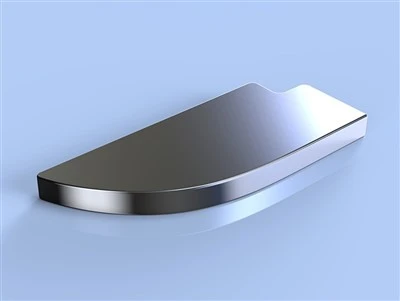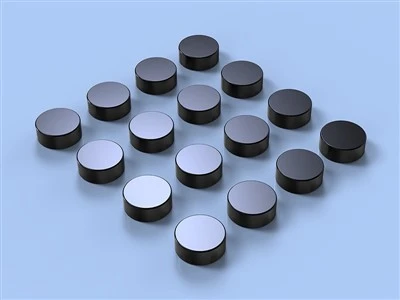

Is it safe to put a magnet near a computer? That's a question I get asked a lot, especially since I'm a supplier of Computer Magnet. It might seem like a simple yes or no, but the answer's actually a bit more complex.

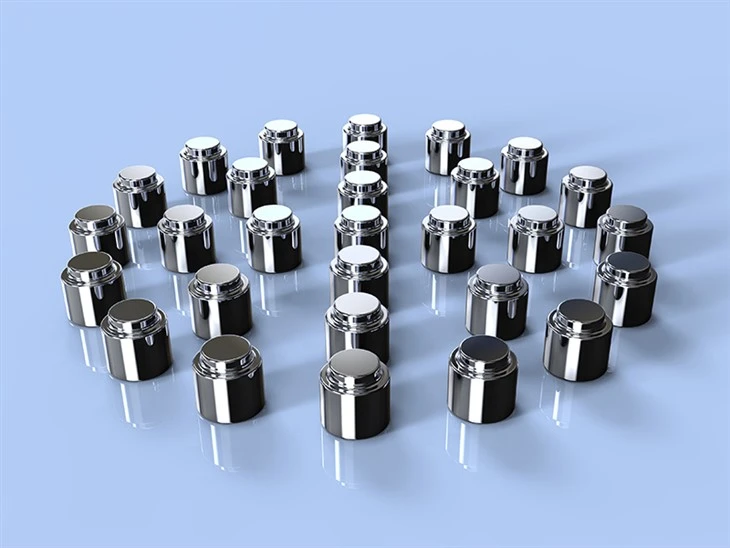
First off, let's talk about how computers work. Inside a computer, there are a whole bunch of components like hard drives, solid - state drives (SSDs), motherboards, and more. Each of these components reacts differently to magnets.
Let's start with hard drives. These are the traditional storage devices in a computer. They have spinning platters that store data magnetically. Yeah, you heard that right! Data on a hard drive is stored using magnetic fields. So, when you bring a strong magnet close to a hard drive, it can mess with those magnetic fields. The magnet can potentially change the data stored on the platters, leading to data loss or corruption. It's like going into a library and randomly rearranging the letters in the books. You won't be able to read the information correctly anymore. So, if your computer still has a hard drive, keep magnets away from it as much as possible.
However, things are different with solid - state drives (SSDs). Unlike hard drives, SSDs don't use magnetic fields to store data. Instead, they rely on flash memory chips. These chips use electric charges to hold data. And because of that, most normal magnets won't have an impact on them. You can put a small magnet near an SSD without having to worry about ruining your data. But hold on! If you've got an extremely powerful magnet, like the ones used in industrial settings, it could still potentially cause problems. This powerful magnetic field might interfere with the electrical circuits inside the SSD, and that's not good news for your data.
Now, other parts of the computer, such as the motherboard, are also sensitive to magnets. The motherboard has a bunch of delicate electronic circuits. A strong magnetic field can disrupt the electrical signals that flow through these circuits. This can cause all sorts of issues, from the computer crashing to components getting fried. So, it's always better to be safe than sorry and keep magnets away from the motherboard.
As a Computer Magnet supplier, I know there are actually some magnets that are used inside computers. These magnets are carefully designed and placed in specific locations. For example, some fans inside the computer use magnets to create the rotation needed to cool the components. These are known as Rotary Motor Magnet, and they're an essential part of keeping your computer running at a safe temperature.
But what about external magnets? You might be thinking, "Well, I've got a little fridge magnet near my computer, and nothing's happened." And that's probably true. Most small, weak magnets like fridge magnets aren't strong enough to cause any significant problems. They have a very limited magnetic field, so the chances of them affecting your computer's components are pretty low.
On the other hand, if you're using a powerful neodymium magnet, that's a whole different story. Neodymium magnets are super strong, and they can have a much larger magnetic field. Even if you think you're keeping it at a safe distance, it could still potentially reach your computer's components and cause damage.
Let's also talk about other devices that use magnets and how they relate to computers. For example, Game Console Magnet are used in game consoles. These magnets are crucial for the proper functioning of the console, like in the motors of controllers. But if you place a game console too close to your computer, there's a risk of the magnets in the console interfering with the computer.
Another interesting type of magnet is the Halbach Array Magnet Assembly. These are unique magnets that can create a very strong magnetic field on one side while having a weak field on the other. They're used in a lot of high - tech applications, and if they're not properly shielded, they could definitely pose a threat to your computer.
Even medical devices like the Blood Glucose Meter Magnet use magnets. While they're pretty small and not likely to affect your computer directly, it just shows how widespread magnets are in our daily lives.
So, is it safe to put a magnet near a computer? It depends. Small, weak magnets are usually okay, but powerful magnets, especially those with a large magnetic field, can be a big no - no. If you're not sure, it's always best to keep magnets as far away from your computer as possible.
As a supplier of Computer Magnet, I'm here to help you understand the ins and outs of using magnets in and around computers. Whether you're a computer manufacturer looking for high - quality magnets for your products or a consumer who wants to know more about magnet safety, feel free to reach out for a discussion. We can talk about the right magnets for your needs and how to use them safely.
References
- Billings, J. (2019). "The Effects of Magnetic Fields on Electronic Devices". Electronics Today.
- Chen, S. (2020). "Magnets and Their Impact on Computer Components". Tech Insights Journal.
- Miller, R. (2021). "Magnetic Interference in Modern Computing Systems". Computing World Review.