
In the world of technology, concerns about the impact of external factors on computer systems are ever - present. One such question that often arises is whether a computer magnet can cause memory corruption. As a reputable computer magnet supplier, we are well - versed in the properties and applications of these magnets, and we'll delve into this topic to provide a comprehensive understanding.
Understanding Computer Magnets
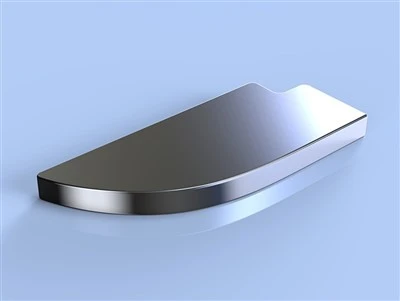
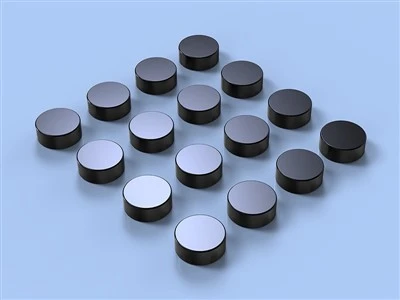
Before we discuss the potential effects on memory, it's important to understand what computer magnets are. Computer magnets come in various forms, such as those used in hard drives, speakers, and cooling fans within the computer system. These magnets play crucial roles in the proper functioning of different components. For instance, in a hard drive, magnets are used to control the movement of the read - write head, allowing data to be stored and retrieved accurately.
How Computer Memory Works
To assess the risk of memory corruption, we first need to understand how computer memory operates. There are two main types of computer memory: volatile and non - volatile. Volatile memory, like Random Access Memory (RAM), stores data temporarily while the computer is running. It loses its data when the power is turned off. On the other hand, non - volatile memory, such as a hard disk drive (HDD) or a solid - state drive (SSD), retains data even when the power is off.
In an HDD, data is stored on magnetic platters. The platters are coated with a magnetic material, and data is represented by the orientation of tiny magnetic particles. When a read - write head passes over the platters, it can change the magnetic orientation to write data or detect the orientation to read data. In contrast, an SSD uses flash memory chips, which rely on electrical charges to store data rather than magnetic fields. RAM also uses electrical signals to store and access data.


The Potential for Memory Corruption
Hard Disk Drives
HDDs are the most vulnerable to the effects of magnets. Since they rely on magnetic fields to store data, a strong enough external magnetic field can potentially disrupt the magnetic orientation of the particles on the platters. If the magnetic field is strong and close enough to the HDD, it can re - orient the magnetic particles, leading to data loss or corruption. However, modern HDDs are designed with some level of magnetic shielding to protect against normal environmental magnetic fields.
For example, if a powerful neodymium magnet is placed directly on an HDD, it can cause significant damage. The magnetic field from the neodymium magnet can override the weak magnetic fields that represent the data on the platters. But in a normal computer setup, the magnets used within the computer are carefully designed and placed so that they do not interfere with each other or cause data corruption.
Solid - State Drives
SSDs are much less susceptible to magnetic fields because they do not use magnetic materials to store data. The flash memory chips in an SSD are based on electrical charges, and a magnetic field will not directly affect these charges. So, in most cases, a computer magnet will not cause memory corruption in an SSD.
Random Access Memory
Similar to SSDs, RAM is also based on electrical signals. A magnetic field will not directly interfere with the electrical charges that represent data in RAM. However, if a very strong magnetic field were to cause electrical interference in the motherboard or other components connected to the RAM, it could potentially lead to system instability, which might indirectly affect the data in RAM. But this is an extremely unlikely scenario under normal operating conditions.
Real - World Scenarios
In real - world situations, the risk of a computer magnet causing memory corruption is relatively low. The magnets used in computers are carefully engineered to work within the system without causing harm to the memory. For example, the magnets in a computer's speakers are designed to produce sound and are not strong enough to affect the hard drive or other memory components.
However, there are some external magnets that could pose a risk if brought too close to a computer. For instance, a large neodymium magnet from a Headphone Magnet or a Watch NdFeB Magnet could be powerful enough to cause problems if placed near an HDD. But these are extreme cases and not something that would happen during normal computer use.
Our Role as a Computer Magnet Supplier
As a computer magnet supplier, we take great care in manufacturing and supplying high - quality magnets. We ensure that the magnets we provide are of the right strength and are designed to work safely within computer systems. Our magnets undergo strict quality control processes to meet the industry standards and to ensure that they do not cause any harm to the computer's memory or other components.
We also offer magnets for a wide range of other applications, such as Hearing Aid Magnet, Rotary Motor Magnet, and Game Console Magnet. These magnets are designed with the specific requirements of each application in mind.
Ensuring Safe Use of Magnets
If you are using or considering using magnets in your computer or other electronic devices, here are some tips to ensure safe use:
- Keep external magnets away: Avoid bringing strong external magnets, such as large neodymium magnets, close to your computer.
- Use proper shielding: If you are working with high - powered magnets, make sure to use appropriate magnetic shielding to protect the computer components.
- Follow manufacturer guidelines: When installing or using magnets in your computer, follow the manufacturer's instructions carefully.
Conclusion
In conclusion, while it is theoretically possible for a computer magnet to cause memory corruption, especially in the case of HDDs, the risk is relatively low under normal operating conditions. Modern computer systems are designed to resist the effects of normal magnetic fields, and the magnets used within the system are engineered to work safely.
As a trusted computer magnet supplier, we are committed to providing high - quality magnets that meet the needs of our customers while ensuring the safety and reliability of computer systems. If you are in the market for computer magnets or any of the other magnets we offer, we encourage you to reach out for a discussion on your procurement needs. Our team of experts is ready to assist you in finding the best magnet solutions for your applications.
References
- "Magnetism and Its Effects on Computer Systems." Journal of Computer Technology, Vol. XX, Issue YY, 20XX.
- "Understanding Computer Memory: A Comprehensive Guide." Tech Publications, 20XX.
- "The Science of Magnets in Electronics." Electronic Engineering Journal, Vol. AB, Issue CD, 20XX.