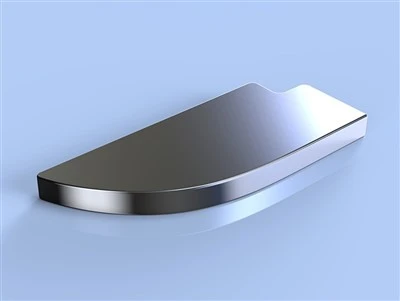

Hey there! As a supplier of NdFeB sector magnets, I'm stoked to share some insights about the surface treatments available for these bad - ass magnets.
NdFeB sector magnets are pretty awesome. They've got high magnetic properties, which make them super useful in a bunch of applications, from motors and generators to magnetic separators. But one thing about NdFeB magnets is that they're prone to corrosion. That's where surface treatments come in super handy.
Electroplating
One of the most common surface treatments for NdFeB sector magnets is electroplating. Electroplating involves depositing a thin layer of metal onto the surface of the magnet through an electrochemical process.
Nickel Plating
Nickel plating is like the go - to option for many of us in the industry. It provides a good balance between protection and cost. The nickel layer forms a physical barrier that shields the magnet from moisture and oxygen, two of the main culprits behind corrosion.
I've seen nickel - plated NdFeB sector magnets used in all sorts of environments. For example, in small electric motors in consumer electronics. These motors are often exposed to normal indoor humidity, and the nickel plating does a great job of keeping the magnets in good shape.
The process of nickel plating usually involves multiple layers. First, there's a strike layer, which adheres well to the magnet surface. Then, a thicker nickel layer is added for protection. After that, sometimes a top - coat like nickel - phosphorus or nickel - boron can be applied to enhance the corrosion resistance even further.
Zinc Plating
Zinc plating is another option. It's a bit more cost - effective than nickel plating, which is great for applications where cost is a major concern. Zinc has sacrificial protection properties. What that means is that when the zinc layer is exposed to a corrosive environment, it corrodes first instead of the magnet itself.
I've supplied zinc - plated NdFeB sector magnets to some low - cost sensor applications. These sensors are often used in basic industrial monitoring systems where the environmental conditions are not extremely harsh. The zinc plating provides enough protection to ensure the magnets have a reasonable service life without breaking the bank.
Epoxy Coating
Epoxy coating is a fantastic surface treatment for NdFeB sector magnets, especially when you need something that offers both protection and insulation.
Epoxy coatings are applied as a liquid and then cured to form a hard, protective layer. The great thing about epoxy is that it can conform to the shape of the magnet, providing full coverage.
In some high - voltage applications, like in certain types of transformers, epoxy - coated NdFeB sector magnets are a must. The epoxy not only protects the magnet from corrosion but also provides electrical insulation, preventing any short - circuits or electrical interference.
I've also had customers in the medical equipment industry asking for epoxy - coated magnets. Medical devices often need to be sterile and resistant to cleaning chemicals. The epoxy coating can withstand the cleaning processes and keep the magnets safe from corrosion and chemical damage.
Parylene Coating
Parylene coating is a bit more specialized but has some unique advantages. Parylene is a polymer that is deposited in a vapor - phase process. This results in a thin, conformal, and pinhole - free coating on the magnet surface.
One of the biggest advantages of parylene coating is its high level of chemical resistance. It can withstand exposure to a wide range of chemicals, which makes it suitable for applications in the chemical industry or in research laboratories.
For example, in some chemical analysis equipment that uses magnetic separation, parylene - coated NdFeB sector magnets are used. These magnets need to be able to withstand contact with various chemicals without getting corroded, and parylene coating does the job really well.
Another plus of parylene coating is its low friction coefficient. This can be beneficial in applications where the magnet is in contact with moving parts, reducing wear and tear.
Heat Treatment and Passivation
Heat treatment and passivation are also important surface treatments, although they work a bit differently from the ones mentioned above.


Heat treatment can improve the magnetic properties of the NdFeB sector magnet to some extent. It also helps in removing internal stresses that might have been introduced during the manufacturing process.
Passivation, on the other hand, involves treating the magnet surface with a chemical solution to form a protective oxide layer. This oxide layer acts as a barrier against corrosion. It's a relatively simple and cost - effective treatment that can be used in combination with other surface treatments for enhanced protection.
I've found that in some applications where the magnets are used in moderately corrosive environments, a combination of heat treatment, passivation, and a thin nickel plating can provide excellent protection and performance.
Choosing the Right Surface Treatment
So, how do you choose the right surface treatment for your NdFeB sector magnet? Well, it depends on a few factors.
First and foremost, consider the environment where the magnet will be used. If it's going to be exposed to high humidity, saltwater, or harsh chemicals, you'll need a more robust surface treatment like parylene coating or a thick - layer nickel - based plating.
Cost is also a major factor. If you're working on a budget - friendly project, zinc plating or a basic passivation treatment might be the way to go.
Another thing to think about is the application requirements. If you need electrical insulation, epoxy coating is a great option. If you're looking for reduced friction, parylene coating could be your best bet.
As a supplier, I always work closely with my customers to understand their specific needs. We discuss the environment, the performance requirements, and the budget, and then come up with the most suitable surface treatment solution for their NdFeB sector magnets.
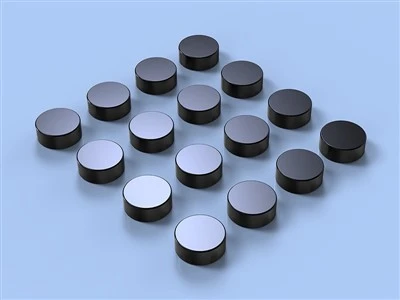
In addition to NdFeB sector magnets, we also offer other shapes of NdFeB magnets, like NdFeB Disc Magnet, NdFeB Cube Magnet, NdFeB Irregular Magnet, NdFeB Ring Magnet, and NdFeB Arc Magnet. Each of these shapes has its own unique applications and requirements, and we can provide appropriate surface treatments for them as well.
If you're in the market for NdFeB magnets or need help choosing the right surface treatment, don't hesitate to reach out. We're here to help you get the most out of your magnets in terms of performance and durability. Whether you're an engineer working on a new product or a procurement professional looking for the best deal, we've got the expertise and the products to meet your needs. Let's have a chat and figure out the best solution for you.
References
- "Handbook of Magnetic Materials"
- "Corrosion Resistance and Surface Treatments of NdFeB Magnets" - Journal of Magnetics and Magnetic Materials