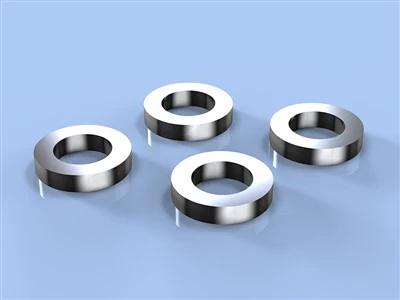

Hey there! As a supplier of NdFeB Ring Magnets, I've gotten a ton of questions from customers about how to keep these magnets from losing their magnetism in vibrating environments. It's a pretty common issue, and it can be a real headache for a lot of industries that rely on these powerful little magnets. So, I thought I'd share some tips and tricks on how to prevent demagnetization in such situations.
First off, let's understand why NdFeB Ring Magnets can lose their magnetism in a vibrating environment. NdFeB magnets, or Neodymium Iron Boron magnets, are the strongest type of permanent magnets available today. They're used in all sorts of applications, from electric motors and generators to headphones and magnetic separators. But they're also quite sensitive to external factors like temperature, vibration, and magnetic fields.


Vibration can cause the magnetic domains within the NdFeB magnet to become misaligned. These magnetic domains are like tiny compass needles that all point in the same direction, creating a strong magnetic field. When the magnet vibrates, these domains can start to shift and point in different directions, which reduces the overall magnetic strength of the magnet.
So, how can we prevent this from happening?
1. Proper Mounting and Fixing
One of the most important things you can do is to make sure the NdFeB Ring Magnet is properly mounted and fixed in place. If the magnet is loose or not securely attached, it will be more likely to vibrate and demagnetize. You can use epoxy resin or other strong adhesives to bond the magnet to its mounting surface. Make sure the surface is clean and dry before applying the adhesive to ensure a good bond.
Another option is to use mechanical fasteners like screws or clamps. Just be careful not to damage the magnet during the installation process. If you're using a screw, make sure it's the right size and doesn't put too much stress on the magnet.
2. Use Vibration Dampening Materials
Vibration dampening materials can be a great way to reduce the amount of vibration that the magnet is exposed to. These materials absorb and dissipate the energy from the vibrations, protecting the magnet from damage. You can use rubber pads, foam, or other similar materials to cushion the magnet and reduce the impact of vibrations.
For example, if the magnet is being used in an electric motor, you can place rubber grommets between the magnet and the motor housing. This will help to isolate the magnet from the vibrations generated by the motor.
3. Choose the Right Grade of NdFeB Magnet
Not all NdFeB magnets are created equal. Different grades of NdFeB magnets have different magnetic properties and resistance to demagnetization. When selecting a magnet for a vibrating environment, it's important to choose a grade that has a high coercivity. Coercivity is a measure of the magnet's ability to resist demagnetization.
Higher grade magnets, like N48 or N52, generally have higher coercivity and are more resistant to demagnetization. However, they're also more expensive. You'll need to balance the cost with the performance requirements of your application.
4. Temperature Control
Temperature can also have a significant impact on the performance of NdFeB magnets. High temperatures can cause the magnet to lose its magnetic strength, and vibrations can exacerbate this problem. It's important to keep the magnet within its recommended operating temperature range.
If the application generates a lot of heat, you may need to implement cooling measures. This could include using heat sinks, fans, or liquid cooling systems. By keeping the temperature under control, you can help to prevent the magnet from demagnetizing.
5. Magnetic Shielding
In some cases, external magnetic fields can interfere with the magnetic field of the NdFeB Ring Magnet and cause demagnetization. You can use magnetic shielding materials to protect the magnet from these external fields.
Soft magnetic materials like mu-metal can be used to create a shield around the magnet. These materials have high magnetic permeability, which means they can redirect the magnetic field lines away from the magnet.
Now, let's talk a bit about some other types of NdFeB magnets that we also supply. We have NdFeB Arc Magnet, which are often used in motor applications where a curved magnetic field is required. Our NdFeB Disc Magnet are popular for holding applications, like in magnetic closures and displays.
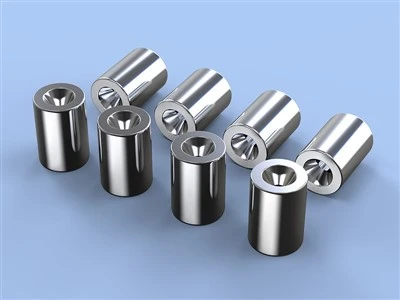
If you need a magnet with a specific shape, our NdFeB Sector Magnet might be a good choice. And for applications where you need a magnet with a hole, we offer Countersunk Hole Magnet and NdFeB Cylinder Magnet.
If you're in the market for NdFeB magnets, whether it's a ring magnet or one of the other shapes we mentioned, I'd love to talk to you. We have a wide range of products to meet your needs, and our team of experts can help you choose the right magnet for your application. Don't hesitate to reach out if you have any questions or if you're ready to place an order.
References
- "Handbook of Magnetic Materials" by K. H. J. Buschow
- "Magnetism and Magnetic Materials" by David Jiles
- "Permanent Magnet Design and Application Handbook" by Richard J. Miller