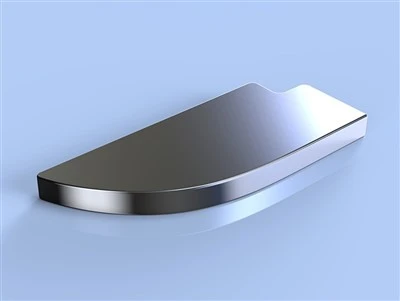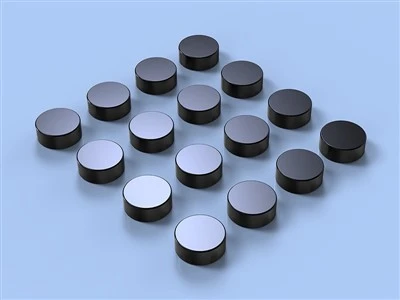

Hey there! As a supplier of Headphone Magnet, I often get asked about the relationship between headphone magnets and power consumption. It's an interesting topic that combines the magic of magnetism with the practicalities of audio technology. So, let's dive in and explore this connection!
How Headphone Magnets Work
First off, let's quickly go over how headphone magnets function. In a pair of headphones, the magnets play a crucial role in converting electrical signals into sound waves. The basic components are a diaphragm, a voice coil, and, of course, the magnets.
The voice coil is a small, lightweight coil of wire that's attached to the diaphragm. When an electrical current passes through the voice coil, it creates a magnetic field. This magnetic field interacts with the static magnetic field produced by the headphone magnets. The interaction between these two magnetic fields causes the diaphragm to move back and forth rapidly. This movement of the diaphragm is what creates the sound waves that we hear.
The Role of Magnet Strength
One of the key factors that affects the relationship between headphone magnets and power consumption is the strength of the magnets. Stronger magnets can produce a more intense static magnetic field. This means that for a given electrical current passing through the voice coil, the diaphragm will move with greater force.
As a result, headphones with stronger magnets can potentially produce louder sounds with less power. In other words, you can get the same volume level from headphones with strong magnets using less electrical energy compared to headphones with weaker magnets. This is because the stronger magnetic field from the powerful magnets amplifies the effect of the electrical current in the voice coil, making the diaphragm move more efficiently.
However, it's not all about having the strongest magnets possible. There's a trade - off. Magnets that are too strong can cause distortion in the sound. The diaphragm might move too much or too fast, leading to an uneven and unfaithful reproduction of the original audio signal. So, headphone manufacturers need to find the right balance between magnet strength, power consumption, and sound quality.
Type of Magnets Used in Headphones
There are several types of magnets used in headphones, and each has its own characteristics in terms of power consumption and performance.
- Neodymium Magnets: These are the most commonly used magnets in modern headphones. Neodymium magnets are incredibly strong for their size, which means they can produce a powerful magnetic field without taking up much space. This makes them ideal for portable headphones where compactness is important. Since they're so strong, headphones with neodymium magnets can generally achieve good sound levels with relatively low power consumption. For instance, many high - end wireless headphones use neodymium magnets to extend battery life while still providing excellent audio quality. You can learn more about similar high - performance magnets like Linear Motor Magnet that also rely on neodymium technology on our website.
- Ceramic Magnets: Ceramic magnets are another option. They are less expensive than neodymium magnets but are also weaker in terms of magnetic strength. Headphones with ceramic magnets typically require more power to produce the same volume level as headphones with neodymium magnets. However, they have their own advantages, such as being more resistant to corrosion.
Impact on Headphone Efficiency
The efficiency of a headphone is closely related to the relationship between headphone magnets and power consumption. Headphone efficiency is measured in decibels per milliwatt (dB/mW). A higher efficiency rating means that the headphones can produce more sound for a given amount of power.
Headphones with well - designed magnets can have a higher efficiency. This is because the magnets help to convert electrical energy into mechanical energy (movement of the diaphragm) more effectively. For example, if you have two pairs of headphones with the same power input, but one has more powerful and better - optimized magnets, the one with the better magnets will likely have a higher efficiency and produce louder and clearer sound.
Improving the efficiency of headphones is not only beneficial for users who want to save battery power, especially in the case of wireless headphones, but it also has environmental implications. Using less power means less energy consumption overall, which is a win for everyone.
Other Factors Affecting Power Consumption
While headphone magnets play a significant role in power consumption, they're not the only factor. The design of the voice coil also matters. A voice coil with lower resistance allows more electrical current to flow through it with less power loss. This can reduce the overall power consumption of the headphones.
The size and material of the diaphragm also impact power usage. Larger diaphragms generally require more power to move, but they can also produce deeper bass sounds. Additionally, the quality of the audio amplifier in the device that's powering the headphones can affect how efficiently the headphones use power.
Applications of Different Magnets in Headphone Technology
The type of headphones also influences the choice of magnets. For over - ear headphones, designers often opt for stronger magnets like neodymium because these headphones can accommodate larger magnets and also have more space for power sources, such as a battery in the case of wireless models. Over - ear headphones are typically used for extended listening sessions, so having lower power consumption is a big plus.


On the other hand, in - ear headphones are more space - constrained. They need smaller magnets, but still ones that can provide decent audio quality with low power consumption. Neodymium magnets are also popular in - ear design due to their high strength - to - size ratio.
Related Magnetic Applications in Audio and Electronics
Beyond headphones, magnets have a wide range of applications in audio and electronics. For example, Wireless Charging Magnet are used to ensure proper alignment between a charging device and the device being charged. This technology is becoming increasingly important as more and more devices, including headphones, are moving towards wireless charging.
Hearing Aid Magnet are also crucial components. They help in the operation of hearing aids by converting electrical signals into sound vibrations. These magnets need to be highly efficient and reliable, as they play a vital role in improving the quality of life for people with hearing impairments.
And then there's the Halbach Array Magnet Assembly, which has unique magnetic properties. This type of magnet assembly can be used in high - performance audio systems to create more precise and powerful magnetic fields, leading to better audio reproduction.
Conclusion and Call to Action
So, in conclusion, the relationship between headphone magnets and power consumption is quite complex. The strength and type of magnets used in headphones have a direct impact on how much power they consume to produce sound. Stronger magnets like neodymium can generally lead to lower power consumption, but finding the right balance with sound quality is essential.
As a Headphone Magnet supplier, we're constantly working on improving the performance of our magnets. We understand the importance of providing high - quality magnets that can help headphone manufacturers create products with better power efficiency and sound quality.
If you're in the business of making headphones or other audio devices and are interested in learning more about our headphone magnets, or if you have any questions about how our magnets can improve your product's performance, don't hesitate to reach out. We're here to discuss your specific needs and find the best magnet solutions for you.
References
- Physics of Audio Systems textbooks
- Industry reports on headphone technology and magnet applications
- Research papers on magnetic materials in consumer electronics