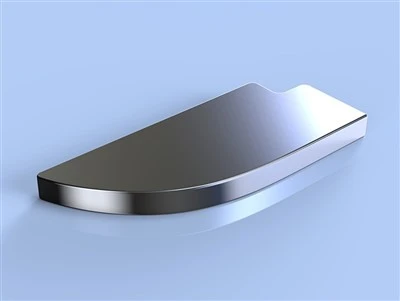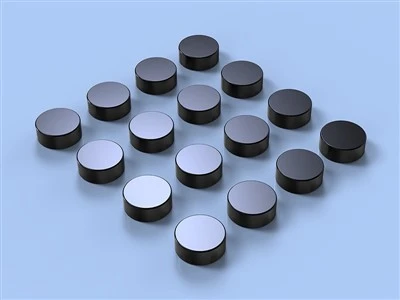

Epoxy coating is a popular choice for magnets, offering protection and a range of aesthetic benefits. As a supplier of Epoxy Coating Magnet, I've witnessed firsthand the growing interest in understanding how this coating impacts the acoustic properties of magnets. In this blog post, we'll explore the relationship between epoxy coating and a magnet's acoustic performance, delving into the scientific principles at play and the practical implications for various applications.
Understanding Acoustic Properties of Magnets
Before we discuss the effects of epoxy coating, let's briefly review the basic acoustic properties of magnets. Acoustics in magnets primarily deal with how they interact with sound waves. When a magnet is subjected to mechanical vibrations or sound waves, it can exhibit responses such as resonance, damping, and frequency modulation. These responses are crucial in applications like speakers, microphones, and magnetic sensors.
Resonance occurs when a magnet vibrates at its natural frequency in response to an external sound wave. This frequency depends on the magnet's material, shape, and size. Damping, on the other hand, refers to the magnet's ability to absorb and dissipate energy from vibrations, reducing the amplitude of the resonance peak. Frequency modulation relates to how the magnet's responses shift in frequency due to external factors.
How Epoxy Coating Affects Resonance
One of the key ways epoxy coating influences a magnet's acoustic properties is by altering its resonance characteristics. When a magnet is coated with epoxy, the added layer changes the overall mass and stiffness of the system. The mass of the epoxy coating increases the inertia of the magnet, which can lower its natural resonance frequency. This is because a heavier object requires more energy to vibrate at the same frequency, causing the resonance to occur at a lower frequency.
For example, in a speaker application, a magnet with a lower resonance frequency can result in a more extended bass response. The reduced resonance frequency allows the speaker to reproduce lower frequencies more effectively, enhancing the overall sound quality. However, if the coating is too thick or the epoxy material has a high density, it could cause the resonance frequency to drop too much, leading to a muddled or boomy bass sound.
Damping Effects of Epoxy Coating
Epoxy coating also has significant damping effects on a magnet's vibrations. The epoxy material has viscoelastic properties, which means it can absorb and dissipate energy as it deforms under the influence of vibrations. When a magnet vibrates, the epoxy coating experiences shear and compressive forces, converting the mechanical energy of the vibration into heat energy.
This damping effect is beneficial in applications where excessive vibrations can cause unwanted noise or interference. For instance, in magnetic sensors used in precision instruments, the epoxy coating can reduce the background noise generated by mechanical vibrations. By absorbing the energy from these vibrations, the coating helps to stabilize the sensor's output, improving its accuracy and reliability.


Impact on Sound Transmission
In addition to resonance and damping, epoxy coating can affect the way sound is transmitted through and around a magnet. The coating acts as a barrier between the magnet and the surrounding environment, altering the acoustic impedance mismatch. Acoustic impedance is a measure of the opposition a medium presents to the flow of sound energy.
When a magnet is uncoated, the sudden change in acoustic impedance at the magnet-air interface can cause significant reflection and scattering of sound waves. The epoxy coating, with its different acoustic properties compared to air and the magnet material, can smooth out this impedance mismatch. This results in more efficient sound transmission through the magnet system, reducing acoustic losses and improving the clarity of the sound.
Considerations for Different Applications
The impact of epoxy coating on a magnet's acoustic properties varies depending on the specific application. In audio equipment, the goal is often to achieve a balanced and accurate sound reproduction. As mentioned earlier, the coating can enhance the bass response but needs to be carefully tuned to avoid over - damping or frequency shifting.
In industrial and automotive applications, magnets are often exposed to harsh environments. The epoxy coating not only protects the magnet from corrosion but also helps to reduce noise generated by mechanical vibrations. Engineers need to consider the trade - off between the acoustic performance improvements and the potential increase in weight and cost due to the coating.
Comparison with Other Coatings
It's also worth comparing epoxy coating with other common magnet coatings, such as Zinc Plating Magnet, Gold Plating Magnet, Electroless Nickel Magnet, and Black Nickel Magnet. Zinc plating is mainly used for corrosion protection and has minimal impact on acoustic properties. Gold plating is often chosen for its electrical conductivity and aesthetic appeal, and its effect on acoustics is also relatively minor.
Electroless nickel and black nickel coatings are more rigid than epoxy. They may have a different impact on resonance and damping compared to epoxy. While they can provide good corrosion protection, they might not offer the same level of vibration damping as epoxy coating.
Conclusion and Call to Action
In conclusion, epoxy coating has a profound impact on a magnet's acoustic properties, influencing resonance, damping, and sound transmission. Understanding these effects is crucial for engineers and designers in various industries, from audio to automotive. As an Epoxy Coating Magnet supplier, we are committed to providing high - quality coated magnets that meet the specific acoustic requirements of our customers.
If you're interested in learning more about how our epoxy - coated magnets can enhance your products or if you're looking to start a procurement discussion, we encourage you to reach out. Our team of experts is ready to assist you in choosing the right magnet solution for your application.
References
- Cannon, R. H. Jr. (1967). Dynamics of Physical Systems. McGraw - Hill Book Company.
- Kinsler, L. E., Frey, A. R., Coppens, A. B., & Sanders, J. V. (2000). Fundamentals of Acoustics. John Wiley & Sons.
- Ohl, C. D., & Ikink, R. (2003). Acoustics: An Introduction to Its Physical Principles and Applications. Cambridge University Press.