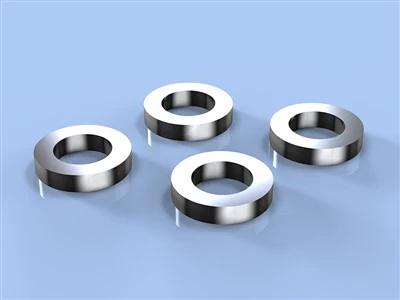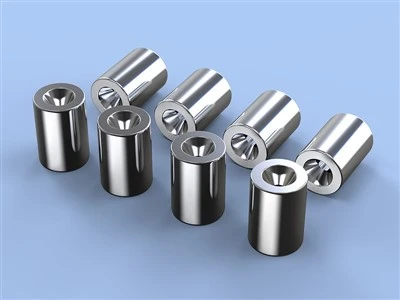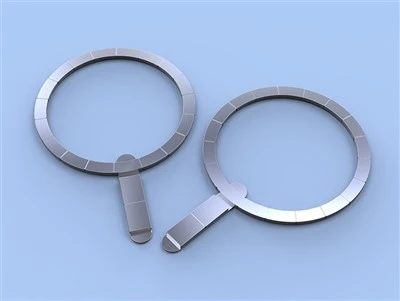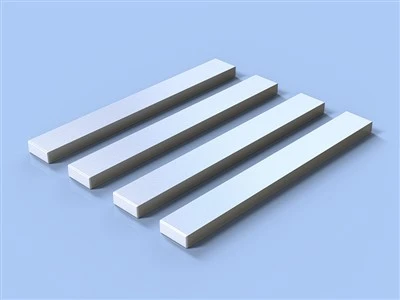

Recycling black nickel magnets is not only an environmentally responsible practice but also a way to recover valuable resources. As a supplier of Black Nickel Magnets, I understand the significance of sustainable recycling methods. In this blog, I will share some insights on how to recycle black nickel magnets effectively.


Understanding Black Nickel Magnets
Before delving into the recycling process, it's essential to understand what black nickel magnets are. Black nickel magnets are a type of neodymium magnet with a black nickel coating. This coating provides corrosion resistance and a sleek appearance. Neodymium magnets are known for their high magnetic strength, making them widely used in various applications, including electronics, automotive, and renewable energy sectors.
The black nickel coating is achieved through a plating process that deposits a layer of nickel on the magnet's surface, followed by a treatment to give it the black color. This coating not only protects the magnet but also enhances its aesthetic appeal.
Why Recycle Black Nickel Magnets?
Recycling black nickel magnets offers several benefits. Firstly, it helps conserve natural resources. Neodymium is a rare earth element, and mining these elements can have significant environmental impacts. By recycling magnets, we can reduce the demand for new mining operations.
Secondly, recycling reduces waste and the associated environmental pollution. Discarded magnets can end up in landfills, where they may release harmful substances over time. Recycling ensures that these magnets are properly managed and their components are reused.
Finally, recycling can be economically beneficial. The recovered materials from magnets can be used to produce new magnets or other products, reducing production costs.
Recycling Methods
There are several methods for recycling black nickel magnets, and the choice of method depends on various factors, such as the quantity of magnets, the available equipment, and the desired end-products.
Mechanical Separation
Mechanical separation involves physically breaking down the magnets and separating the different components. This can be done using crushers, grinders, and separators. The first step is to remove the black nickel coating. This can be achieved through a chemical or mechanical process.
After removing the coating, the magnet is crushed into smaller pieces. The crushed material is then passed through a series of separators, such as magnetic separators and density separators, to separate the neodymium, iron, and boron components. These separated materials can then be further processed and refined for reuse.
Chemical Recycling
Chemical recycling involves using chemical processes to dissolve the magnet and recover the valuable elements. One common method is acid leaching. In acid leaching, the magnets are placed in an acidic solution, which dissolves the metals. The resulting solution contains the dissolved neodymium, iron, and boron.
The next step is to separate these elements from the solution. This can be done through various chemical precipitation and extraction techniques. For example, specific chemicals can be added to the solution to precipitate the neodymium, which can then be filtered out and further purified.
Pyrometallurgical Recycling
Pyrometallurgical recycling involves heating the magnets to high temperatures to melt and separate the components. This method is suitable for large-scale recycling operations. The magnets are first pre - treated to remove the coating. Then, they are placed in a furnace and heated to a high temperature.
At high temperatures, the different metals in the magnet have different melting points, allowing them to be separated. The molten metals can be tapped off and further refined. However, this method requires a significant amount of energy and specialized equipment.
Challenges in Recycling Black Nickel Magnets
Recycling black nickel magnets is not without its challenges. One of the main challenges is the complex composition of the magnets. The combination of neodymium, iron, boron, and the black nickel coating makes it difficult to separate the valuable elements efficiently.
Another challenge is the low concentration of rare earth elements in the magnets. Compared to raw ore, the amount of neodymium in a magnet is relatively small, which means that more processing is required to recover a significant amount of the element.
In addition, the recycling process can be expensive. The cost of equipment, energy, and chemicals can be high, especially for small - scale recycling operations.
Best Practices for Recycling
To ensure effective recycling of black nickel magnets, it's important to follow some best practices. Firstly, proper sorting is crucial. Different types of magnets should be sorted separately to avoid cross - contamination. This includes separating black nickel magnets from other types of magnets, such as Standard Nickel Magnet, Gold Plating Magnet, Tin Coating Magnet, Electroless Nickel Magnet.
Secondly, it's important to use appropriate safety measures during the recycling process. Chemicals used in recycling, such as acids, can be hazardous. Workers should be trained in proper handling and use of these chemicals, and appropriate safety equipment should be provided.
Finally, partnerships can be beneficial. Collaborating with other recycling facilities or research institutions can help share knowledge, resources, and costs. This can lead to more efficient recycling processes and better recovery rates.
Conclusion
Recycling black nickel magnets is an important step towards a more sustainable future. As a Black Nickel Magnet supplier, I am committed to promoting and supporting environmentally friendly practices. By understanding the recycling methods, challenges, and best practices, we can all contribute to the conservation of natural resources and the reduction of waste.
If you are interested in purchasing high - quality black nickel magnets or have any inquiries regarding our products, feel free to contact us for a detailed discussion. We look forward to serving your needs and working together to create a greener world.
References
- "Recycling of Rare Earth Permanent Magnets: A Review" by S. Nakajima and K. Haga
- "Advances in the Recycling of Rare Earth Metals: A Critical Review" by J. Binnemans et al.
- "Neodymium Magnet Recycling: Technology and Economics" by E. Buckley