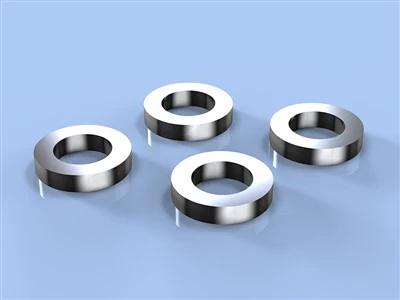

As a supplier of NdFeB ring magnets, I often encounter inquiries from customers about various properties of these remarkable magnets. One question that frequently comes up is, "What is the electrical conductivity of NdFeB ring magnets?" In this blog post, I'll delve into the details of the electrical conductivity of NdFeB ring magnets, and also touch on some related aspects that might be of interest to potential buyers.
Understanding NdFeB Ring Magnets
Before we discuss electrical conductivity, it's essential to have a basic understanding of NdFeB ring magnets. NdFeB, or Neodymium Iron Boron, is a type of rare - earth magnet known for its incredibly strong magnetic field. It is one of the most powerful permanent magnet materials available on the market today. Ring - shaped NdFeB magnets are highly versatile and are used in a wide range of applications, from small electronic devices to large - scale industrial equipment.
Electrical Conductivity of NdFeB Ring Magnets
NdFeB magnets are good conductors of electricity. The electrical conductivity of NdFeB material is primarily due to its composition. Neodymium iron boron magnets are composed of neodymium (Nd), iron (Fe), and boron (B), along with some other trace elements. Iron is a well - known conductor of electricity, and its presence in the NdFeB alloy contributes significantly to the overall electrical conductivity of the magnet.
The electrical conductivity of NdFeB magnets is typically in the range of about (6\times10^{6}) to (10\times10^{6}) S/m (Siemens per meter). However, it's important to note that this value can vary depending on several factors.
Factors Affecting Electrical Conductivity
- Composition: The exact ratio of neodymium, iron, and boron, as well as the presence of other alloying elements, can influence the electrical conductivity. Different manufacturing processes may result in slightly different compositions, leading to variations in conductivity.
- Manufacturing Process: The method used to produce the NdFeB magnet can also have an impact. For example, sintered NdFeB magnets, which are made by compacting and sintering fine powder particles, may have different conductivity characteristics compared to bonded NdFeB magnets, which are made by mixing the magnet powder with a polymer binder.
- Temperature: Like most conductors, the electrical conductivity of NdFeB magnets is temperature - dependent. As the temperature increases, the electrical conductivity generally decreases. This is because the increased thermal energy causes more vibrations in the atomic lattice, which impedes the flow of electrons.
Applications in Electrical and Electronic Devices
The electrical conductivity of NdFeB ring magnets makes them suitable for a variety of electrical and electronic applications.
Motors and Generators
In electric motors and generators, NdFeB ring magnets are used to create a strong magnetic field. The electrical conductivity of the magnets allows for efficient transfer of electrical energy, which is essential for the proper functioning of these devices. The magnets interact with the electrical current in the motor coils, converting electrical energy into mechanical energy (in motors) or vice versa (in generators).


Sensors
NdFeB ring magnets are also used in sensors, such as magnetic sensors. The conductivity property can play a role in the signal - processing capabilities of these sensors. For example, in Hall - effect sensors, the interaction between the magnetic field of the NdFeB magnet and the electrical current in the sensor element can be used to detect changes in the magnetic field, which can then be translated into an electrical signal.
Comparison with Other Shapes of NdFeB Magnets
While we focus on NdFeB ring magnets here, it's worth comparing their electrical conductivity with other shapes of NdFeB magnets.
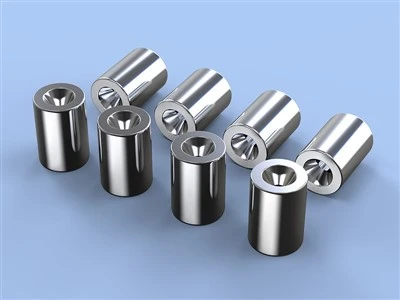
- Countersunk Hole Magnet: Countersunk hole magnets have a similar composition to NdFeB ring magnets, so their electrical conductivity is also in the same general range. However, the shape and the presence of the countersunk hole can affect how the electrical current flows through the magnet in some applications.
- NdFeB Cylinder Magnet: Cylinder magnets, like ring magnets, are made of NdFeB material and have comparable electrical conductivity. The cylindrical shape may offer different magnetic field distributions and electrical current paths compared to ring magnets, which can be advantageous in certain applications.
- Through Hole Magnet: Through - hole magnets also share the same basic electrical conductivity characteristics as NdFeB ring magnets. The through - hole design can be useful for applications where the magnet needs to be mounted on a rod or a wire, and the electrical conductivity can be utilized for electrical connections.
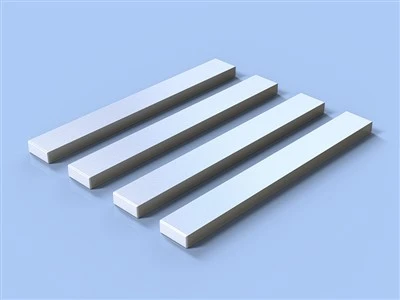
- NdFeB Block Magnet: Block magnets are another common shape of NdFeB magnets. Their electrical conductivity is similar to that of ring magnets, but the block shape may be more suitable for applications where a flat surface or a large - area magnetic field is required.
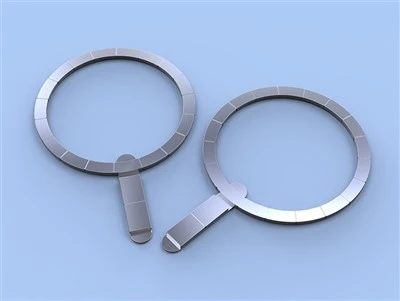
- NdFeB Sector Magnet: Sector magnets have a unique shape that can provide specific magnetic field patterns. Their electrical conductivity is in line with other NdFeB magnets, and they can be used in applications where a non - circular or segmented magnetic field is needed.
Corrosion and Its Impact on Electrical Conductivity
One important aspect to consider when dealing with NdFeB magnets is corrosion. NdFeB magnets are prone to corrosion, especially in humid or corrosive environments. Corrosion can form a layer of oxide on the surface of the magnet, which can act as an insulator and reduce the effective electrical conductivity.
To prevent corrosion, various coating methods are used, such as nickel - copper - nickel plating, zinc plating, or epoxy coating. These coatings not only protect the magnet from corrosion but also help maintain its electrical conductivity by preventing the formation of insulating oxide layers.
Why Choose Our NdFeB Ring Magnets
As a supplier of NdFeB ring magnets, we offer high - quality products with consistent electrical conductivity. Our manufacturing process is carefully controlled to ensure the optimal composition and structure of the magnets, resulting in reliable and stable electrical properties.
We also provide a wide range of customization options. Whether you need a specific size, shape, or magnetic field strength, we can tailor our NdFeB ring magnets to meet your exact requirements. Our team of experts is always available to provide technical support and advice on the best magnet solutions for your applications.
Contact Us for Your NdFeB Ring Magnet Needs
If you are in the market for NdFeB ring magnets or have any questions about their electrical conductivity or other properties, we would be delighted to hear from you. We invite you to contact us for more information, product samples, or to discuss your specific procurement needs. Our experienced sales team is ready to assist you in finding the perfect NdFeB ring magnet solutions for your projects.
References
- "Handbook of Magnetic Materials", edited by Klaus H. J. Buschow.
- "Magnetism and Magnetic Materials" by David Jiles.