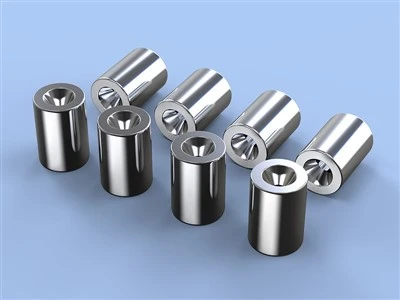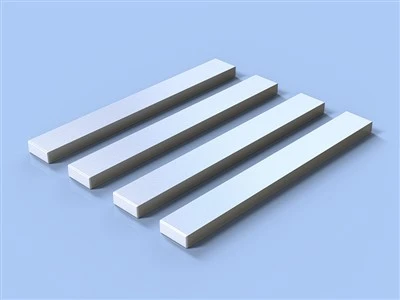

Hey there, folks! As a supplier of Zinc Plating Magnets, I often get asked about how susceptible these bad boys are to oxidation. So, I thought I'd take a deep dive into this topic and share some insights with you all.
First off, let's talk about what oxidation is. Oxidation is basically a chemical reaction where a substance reacts with oxygen. In the case of magnets, oxidation can cause the magnet to lose its strength and durability over time. It can also make the magnet look all rusty and gross, which isn't exactly great for its aesthetic appeal.
Now, when it comes to zinc-plated magnets, the zinc coating acts as a protective layer. Zinc is a pretty reactive metal, and it has a tendency to oxidize before the magnet itself does. This is known as sacrificial protection. When the zinc coating oxidizes, it forms a layer of zinc oxide on the surface of the magnet. This layer helps to prevent further oxidation of the magnet and keeps it in good condition.
But here's the thing - the effectiveness of the zinc coating depends on a few factors. One of the most important factors is the thickness of the coating. A thicker zinc coating will provide better protection against oxidation than a thinner one. So, when you're looking for zinc-plated magnets, make sure you choose ones with a thick coating.
Another factor that affects the susceptibility of zinc-plated magnets to oxidation is the environment they're in. If the magnets are exposed to high humidity, saltwater, or other corrosive substances, they're more likely to oxidize. For example, if you're using zinc-plated magnets in a marine environment, they'll need extra protection to prevent oxidation.
So, how can you tell if a zinc-plated magnet is starting to oxidize? Well, one of the first signs is the appearance of rust spots on the surface of the magnet. These spots can be small at first, but they'll gradually get bigger if the oxidation isn't stopped. Another sign is a decrease in the magnet's strength. If you notice that the magnet isn't holding as well as it used to, it could be a sign of oxidation.
Now, let's compare zinc-plated magnets to some other types of coated magnets. There are several other coating options available, such as Electroless Nickel Magnet, Black Nickel Magnet, Standard Nickel Magnet, Gold Plating Magnet, and Tin Coating Magnet.


Electroless nickel plating is a popular choice because it provides excellent corrosion resistance. It creates a uniform and smooth coating that adheres well to the magnet. Black nickel plating, on the other hand, not only offers good protection against oxidation but also gives the magnet a sleek, black appearance. Standard nickel plating is a common and cost - effective option that provides decent protection.
Gold plating is mainly used for aesthetic purposes and also offers some level of protection. However, it can be quite expensive. Tin coating is another option that provides a certain degree of corrosion resistance, but it may not be as effective as some of the other coatings in harsh environments.
When it comes to choosing between zinc-plated magnets and these other options, it really depends on your specific needs. If you're looking for a cost - effective option that provides decent protection in normal environments, zinc-plated magnets are a great choice. But if you need high - end protection for a very corrosive environment, you might want to consider one of the other coatings.
As a supplier, I always strive to provide the best quality zinc-plated magnets. We use high - grade zinc and advanced plating techniques to ensure that our magnets have a thick and durable coating. We also conduct rigorous quality control tests to make sure that the magnets meet the highest standards.
If you're in the market for zinc-plated magnets or any other type of coated magnets, I'd love to have a chat with you. Whether you need magnets for industrial applications, electronics, or any other project, I can help you find the right solution. Feel free to reach out and we can discuss your requirements. We can work together to figure out the best coating option for your specific needs and budget.
In conclusion, zinc-plated magnets are generally quite resistant to oxidation thanks to the sacrificial protection provided by the zinc coating. However, the susceptibility to oxidation can vary depending on factors like coating thickness and the environment. By understanding these factors, you can make an informed decision when choosing magnets for your projects.
References:
- "Magnet Coating and Corrosion Resistance" - Journal of Magnetics and Magnetic Materials
- "The Science of Metal Coating" - Metallurgy Today