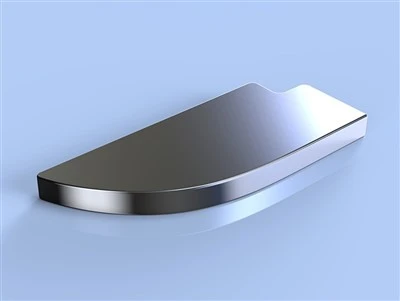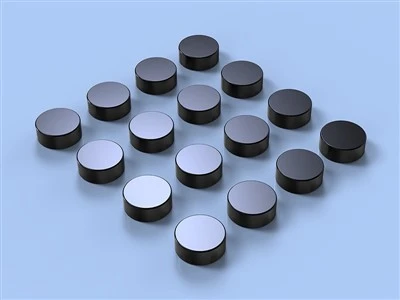

Hey there! As a supplier of Tin Coating Magnet, I often get asked if tin coating can affect the magnetic properties of a magnet. It's a super interesting question, and in this blog, I'll break it down for you.
Understanding Magnets and Their Properties
Before we dive into the effects of tin coating, let's quickly go over a bit about magnets. Magnets have this amazing ability to attract or repel certain materials. This property comes from the alignment of tiny magnetic domains within the magnet. These domains are like little atomic magnets, and when they're lined up in the same direction, the overall magnet has a strong magnetic field.
The strength of a magnet is typically measured in terms of its magnetic flux density, usually expressed in units like gauss or tesla. Factors like the material of the magnet, its shape, and the way it's magnetized can all influence its magnetic properties.
What is Tin Coating?
Tin coating is a process where a thin layer of tin is applied to the surface of a magnet. There are a few reasons why we might want to do this. First off, tin is a pretty corrosion - resistant material. Magnets, especially those made of certain alloys, can be prone to rusting or corroding over time. A tin coating acts as a protective barrier, preventing moisture and other corrosive elements from reaching the magnet's surface.
There are different methods to apply tin coating, such as electroplating. In electroplating, an electric current is used to deposit a thin layer of tin onto the magnet. The thickness of the coating can vary depending on the requirements of the application.
Can Tin Coating Affect Magnetic Properties?
Now, let's get to the main question. Can tin coating affect the magnetic properties of a magnet? Well, in general, tin itself isn't a magnetic material. It's what we call diamagnetic. Diamagnetic materials create a magnetic field in the opposite direction of an applied magnetic field, but this effect is extremely weak.
So, for all practical purposes, a thin tin coating is unlikely to have a significant impact on the magnetic properties of a magnet. The coating is usually so thin compared to the size of the magnet that it doesn't interfere with the magnetic field generated by the magnet's internal structure.
However, there are some scenarios where it could have a minor effect. For example, if the tin coating is extremely thick, it might slightly reduce the effective magnetic field strength at the surface of the magnet. This is because the coating could act as a bit of a spacer between the magnet and the object it's interacting with.
Another thing to consider is that if the tin coating process involves high temperatures, it could potentially affect the magnet's magnetic properties. Some magnets, like neodymium magnets, are sensitive to heat. If the temperature during the coating process goes above a certain limit, it can cause the magnetic domains within the magnet to become misaligned, reducing the magnet's strength. But with proper temperature control during the tin coating process, this risk can be minimized.
Comparing Tin Coating with Other Types of Coatings
There are several other types of coatings available for magnets, and it's interesting to see how they stack up against tin coating.
Epoxy Coating Magnet
Epoxy coating is a popular choice for magnets. It provides a good amount of protection against corrosion and can also be used to improve the aesthetic appearance of the magnet. Similar to tin coating, epoxy is non - magnetic, so it generally doesn't have a significant effect on the magnetic properties. However, epoxy can be more prone to chipping or cracking compared to a tin coating, which might reduce its long - term protective capabilities.
Black Nickel Magnet
Black nickel coating not only gives the magnet a nice black color but also offers good corrosion resistance. Nickel is a ferromagnetic material, which means it can interact with the magnet's magnetic field. However, the coating is usually thin enough that its effect on the overall magnetic properties is negligible.
Zinc Plating Magnet
Zinc plating is another common coating for magnets. Zinc is also corrosion - resistant, and like tin, it's diamagnetic. So, a zinc - plated magnet will have similar magnetic properties to a tin - coated magnet, with the coating having little to no impact on the magnetic field.
Standard Nickel Magnet
Standard nickel coating is widely used due to its good corrosion resistance and relatively low cost. Similar to black nickel, nickel is ferromagnetic, but the thin coating doesn't usually cause a major change in the magnet's magnetic properties.


Applications of Tin - Coated Magnets
Tin - coated magnets have a wide range of applications. In the electronics industry, they're used in things like speakers, motors, and sensors. The corrosion resistance of the tin coating ensures that the magnets can function properly over a long period, even in environments where there might be some moisture or other corrosive substances.
In the automotive industry, tin - coated magnets are used in various components, such as fuel injectors and anti - lock braking systems. The reliability provided by the tin coating is crucial in these safety - critical applications.
Why Choose Our Tin - Coated Magnets
As a supplier of Tin Coating Magnet, we take pride in our products. We use the latest technology and high - quality materials to ensure that our tin - coated magnets have the best possible combination of magnetic properties and corrosion resistance.
Our coating process is carefully controlled to avoid any negative impact on the magnetic properties of the magnets. We also offer a range of customization options, so you can get the exact size, shape, and coating thickness you need for your specific application.
Let's Connect!
If you're in the market for tin - coated magnets or want to learn more about how our products can meet your needs, I'd love to hear from you. Whether you're working on a small electronics project or a large - scale industrial application, we have the expertise and the products to support you. Reach out to us for a consultation and let's start a conversation about your magnet requirements.
References
- "Magnetism and Magnetic Materials" by David Jiles.
- "Handbook of Magnetic Materials" edited by Klaus H. J. Buschow.