
How to prevent ndfeb magnets from losing magnetism?
Hey there! I'm a supplier of NdFeB magnets, and I've seen firsthand how frustrating it can be when these powerful little magnets start to lose their mojo. NdFeB magnets are known for their super - strong magnetic properties, but like all good things, they can degrade over time. In this blog, I'll share some tips on how to prevent NdFeB magnets from losing magnetism.
1. Keep them at the right temperature
One of the biggest factors that can cause NdFeB magnets to lose their magnetism is high temperature. NdFeB magnets have a Curie temperature, which is the temperature at which they lose their permanent magnetic properties. For most NdFeB magnets, the Curie temperature is around 310 - 400°C. But even before reaching the Curie temperature, the magnetic strength can start to decrease as the temperature rises.
So, it's crucial to keep these magnets away from heat sources. If you're using them in an application where heat is generated, like in a Computer Magnet, you need to make sure there's proper cooling. You can use heat sinks or fans to dissipate the heat and keep the magnets within their recommended temperature range.
On the other hand, extremely low temperatures can also have an impact on the magnet's performance. While they generally perform better in cold conditions compared to high - heat situations, very cold environments might cause some material - related issues over time. So, try to maintain a stable, moderate temperature for your NdFeB magnets.
2. Protect them from corrosion
NdFeB magnets are made of neodymium, iron, and boron, and the iron in them makes them prone to corrosion. Once corrosion sets in, it can eat away at the magnet and reduce its magnetic strength.
One way to protect them is through coating. There are different types of coatings available, such as nickel plating, zinc plating, and Gold Plating Magnet. These coatings act as a barrier between the magnet and the surrounding environment, preventing moisture and oxygen from reaching the magnet's surface.
When storing the magnets, make sure the storage area is dry. If you're using them in a humid environment, consider using desiccants to keep the moisture level down. Also, avoid exposing the magnets to chemicals that can cause corrosion, like acids or alkalis.
3. Avoid strong external magnetic fields
Strong external magnetic fields can disrupt the magnetic domains within the NdFeB magnet, causing it to lose some of its magnetism. This is especially true if the external field is in the opposite direction of the magnet's own field.


For example, if you're handling multiple NdFeB magnets, be careful how you stack or arrange them. If you stack them in a way that their magnetic fields oppose each other, it can lead to a reduction in magnetic strength over time.
In some industrial settings, there might be large - scale magnetic equipment that generates strong fields. Make sure to keep your NdFeB magnets at a safe distance from such equipment.
4. Proper handling and storage
When handling NdFeB magnets, be gentle. These magnets are very brittle, and if they're dropped or hit hard, it can cause cracks or chips. Even a small crack can affect the magnetic performance of the magnet.
For storage, keep the magnets in a non - magnetic container. If you need to store multiple magnets together, you can use spacers or non - magnetic materials to separate them. This helps prevent them from attracting each other too strongly and potentially causing damage.
Also, label the magnets properly so that you know their orientation and magnetic polarity. This can be useful when you're using them in an application and need to ensure the correct magnetic field alignment.
5. Choose the right grade for the application
Not all NdFeB magnets are created equal. There are different grades of NdFeB magnets, each with its own set of properties, including magnetic strength, temperature resistance, and corrosion resistance.
If you're using the magnets in a high - temperature application, choose a grade that has a higher Curie temperature and better temperature stability. For applications where corrosion is a concern, select a grade that has better corrosion - resistant properties or can be easily coated.
For example, if you're looking for a magnet for a watch, a Watch NdFeB Magnet with the right grade will ensure long - term performance without losing magnetism.
6. Regular inspection and maintenance
It's a good idea to regularly inspect your NdFeB magnets for any signs of damage or corrosion. Check for cracks, chips, or any discoloration on the surface. If you notice any issues, take appropriate action immediately.
If the coating on the magnet is damaged, you might need to re - coat it to prevent further corrosion. You can also use a gaussmeter to measure the magnetic field strength of the magnet periodically. If you notice a significant drop in the magnetic strength, it could be a sign that something is wrong.
In conclusion, preventing NdFeB magnets from losing magnetism requires a combination of proper handling, storage, temperature control, and protection from corrosion and external magnetic fields. By following these tips, you can ensure that your NdFeB magnets maintain their strong magnetic properties for a long time.
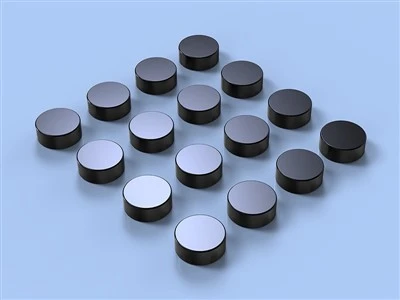
If you're in the market for high - quality NdFeB magnets, whether it's a NdFeB Ring Magnet or a NdFeB Disc Magnet, I'm here to help. I offer a wide range of NdFeB magnets with different grades, shapes, and coatings to meet your specific needs. Feel free to reach out and let's start a conversation about your magnet requirements.
References
- "Magnetism and Magnetic Materials" by David Jiles
- Manufacturer's technical data sheets on NdFeB magnets