
Can NdFeB sphere magnets be used in wet environments?
As a supplier of NdFeB sphere magnets, I often receive questions from customers about the suitability of these powerful magnets in various conditions, especially wet environments. Neodymium Iron Boron (NdFeB) magnets, known for their high magnetic strength, are widely used in numerous industries. However, their performance in wet conditions is a crucial concern that requires in - depth analysis.
Properties of NdFeB Sphere Magnets
NdFeB sphere magnets are made from an alloy of neodymium, iron, and boron. They possess extremely high magnetic strength compared to other types of permanent magnets. Thanks to their spherical shape, these magnets offer unique magnetic field characteristics. The magnetic field of a spherical magnet is distributed in a three - dimensional pattern, which can be utilized in applications where a non - uniform or complex magnetic field is needed, such as in some medical devices, sensor systems, and precision machinery.
Challenges in Wet Environments
The main challenge with using NdFeB sphere magnets in wet environments lies in their susceptibility to corrosion. The NdFeB alloy contains iron, which is prone to rust when exposed to water and oxygen. Corrosion can not only significantly reduce the magnetic performance of the magnet but also damage the physical structure of the sphere. Once the rust starts to form, it can spread throughout the magnet, causing it to break apart or lose its magnetic properties over time.
In addition to rusting, the presence of water can also affect the surface coating of the magnet. Most NdFeB sphere magnets come with a protective coating, such as nickel - copper - nickel or zinc, to enhance their corrosion resistance. However, prolonged exposure to water, especially in harsh or acidic conditions, can damage these coatings, leaving the underlying magnet material vulnerable to corrosion.
Protective Measures and Their Effectiveness
To mitigate the risks associated with using NdFeB sphere magnets in wet environments, several protective measures can be taken. One of the most common methods is to improve the quality of the coating. A well - applied and high - quality nickel - copper - nickel coating can provide a good level of protection against water and corrosion. Some advanced coating technologies can significantly extend the lifespan of the magnet in wet conditions.
Another approach is to encapsulate the magnets. Encapsulation involves enclosing the magnet in a waterproof material, such as plastic or rubber. This physical barrier can prevent water from reaching the magnet surface directly. However, it's important to ensure that the encapsulation process is done properly, as any gaps or flaws in the encapsulation can still allow water to seep in.
Case Studies and Real - world Applications
Despite the challenges, there are real - world applications where NdFeB sphere magnets are used in wet or humid environments. For example, in some underwater sensors and monitoring devices, these magnets are used to detect and measure various physical parameters. In these applications, the magnets are often encapsulated in a waterproof housing, and high - quality coatings are applied to ensure long - term performance.
In the automotive industry, NdFeB sphere magnets are also used in certain sensors that may be exposed to moisture, such as wheel speed sensors. These sensors are designed to operate reliably in wet conditions through a combination of protective coatings and proper sealing techniques.
Comparison with Other NdFeB Magnet Shapes
When considering the use in wet environments, it's also interesting to compare NdFeB sphere magnets with other NdFeB magnet shapes. For instance, NdFeB Ring Magnet has a different surface - to - volume ratio compared to sphere magnets. The ring shape may offer different corrosion patterns, and the internal hole in the ring can potentially trap water, which needs to be considered when designing a protective solution.
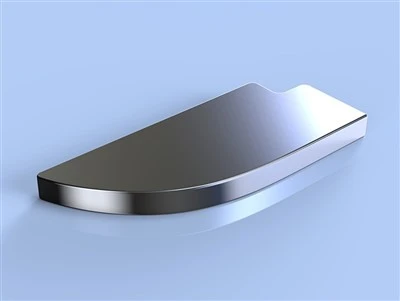
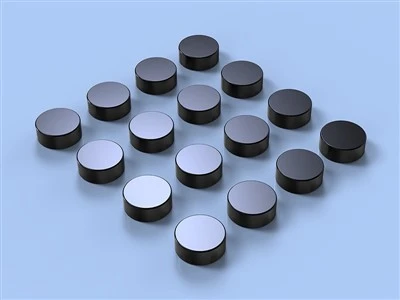
NdFeB Sector Magnet and NdFeB Arc Magnet have irregular shapes, which can make the coating process and encapsulation more challenging. On the other hand, NdFeB Disc Magnet and NdFeB Cube Magnet have more regular geometries, which may be easier to coat and protect.


Conclusion and Call to Action
In conclusion, while NdFeB sphere magnets can be used in wet environments, it requires careful consideration and proper protective measures. With the right coating, encapsulation, and design, these magnets can maintain their performance and reliability in such conditions.
If you are interested in purchasing NdFeB sphere magnets for your specific application, whether it's in a wet environment or not, please feel free to contact us for more information. We have a wide range of products and can provide customized solutions based on your requirements. Our team of experts is ready to assist you in choosing the most suitable magnets and ensuring their optimal performance in your projects.
References
- "Handbook of Permanent Magnets: Theory and Practice" by E. F. Kneller
- "Magnetism and Magnetic Materials" by David Jiles
- Industry reports on the application of NdFeB magnets in various sectors.