
Hey there! As a supplier of NdFeB Ring Magnets, I often get asked if these magnets can be used in electric vehicles (EVs). Well, let's dive right into it and explore this topic.
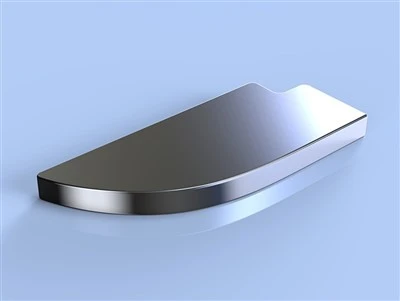
First off, what exactly are NdFeB Ring Magnets? NdFeB stands for Neodymium Iron Boron, which is a type of rare - earth magnet. These magnets are known for their incredibly strong magnetic fields. The ring shape, as the name suggests, is like a doughnut, with a hole in the middle. You can check out more about them here.
Now, when it comes to electric vehicles, there are several components where the use of powerful magnets is crucial. One of the most important parts is the electric motor. EV motors rely on magnetic fields to convert electrical energy into mechanical energy, which is what makes the wheels turn. NdFeB Ring Magnets can play a significant role in this process.
The strong magnetic field of NdFeB Ring Magnets allows for more efficient motor designs. A more efficient motor means that the vehicle can travel further on a single charge. This is a huge deal in the EV industry, where range is one of the biggest concerns for consumers. With these magnets, motor manufacturers can create smaller and lighter motors without sacrificing power. This reduction in weight also contributes to better overall energy efficiency of the vehicle.
Another area where NdFeB Ring Magnets can be useful is in the battery management system. These magnets can be used in sensors that monitor the battery's state of charge, temperature, and other important parameters. Accurate monitoring is essential for the safety and longevity of the battery. By using high - performance magnets like NdFeB Ring Magnets, the sensors can provide more precise data, which helps in better battery management.
But it's not all sunshine and rainbows. There are some challenges associated with using NdFeB Ring Magnets in electric vehicles. One major issue is the cost. Neodymium is a rare - earth element, and its extraction and processing are expensive. This drives up the cost of NdFeB magnets, which can make the overall cost of the vehicle higher. Additionally, the supply of neodymium can be unstable due to geopolitical factors, which poses a risk to the EV industry.
Another concern is the environmental impact. The mining and refining of rare - earth elements can have a significant environmental footprint. There are issues related to soil contamination, water pollution, and deforestation. As an industry, we need to find more sustainable ways to produce these magnets.
However, there are alternatives and solutions to these problems. For the cost issue, research is being done to develop new magnet materials that are less expensive but still offer good magnetic properties. And in terms of the environmental impact, companies are working on recycling programs to recover rare - earth elements from old magnets and electronics.


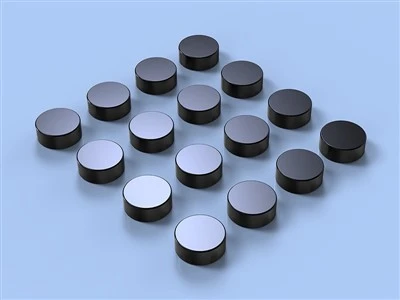
Let's also quickly talk about the other shapes of NdFeB magnets. For example, NdFeB Cylinder Magnets have their own unique applications in EVs. They can be used in some specialized motor designs or in other components where a cylindrical shape is more suitable. Through Hole Magnets can also find uses in certain sensor applications. And NdFeB Sphere Magnets and NdFeB Disc Magnets have their own niches in the EV ecosystem.
In conclusion, NdFeB Ring Magnets definitely have a place in electric vehicles. Their strong magnetic properties offer great potential for improving the performance and efficiency of EVs. But we need to address the cost and environmental challenges. As a supplier, I'm committed to working with the industry to find solutions to these issues.
If you're in the business of electric vehicle manufacturing or related industries and are interested in purchasing NdFeB Ring Magnets, I'd love to talk to you. We can discuss your specific requirements, the best magnet solutions for your needs, and how we can work together to overcome the challenges. Don't hesitate to reach out for a procurement discussion.
References
- Various industry reports on electric vehicle technology and rare - earth magnet applications.
- Research papers on the development of new magnet materials and recycling of rare - earth elements.