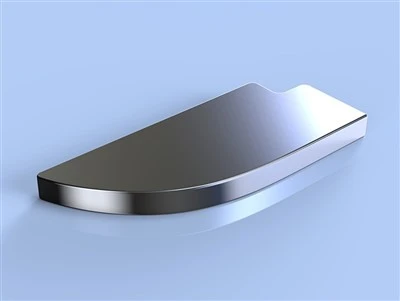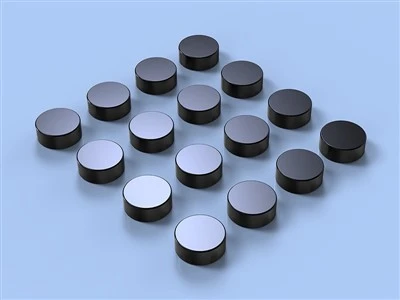

Can tin - coated magnets be used in magnetic separators? That's a question I've been getting asked a lot lately. As a supplier of Tin Coating Magnet, I've had my fair share of experiences and knowledge on this topic. So, I thought I'd sit down and share my two cents on it.
First off, let's talk a bit about magnetic separators. These bad boys are used in a whole bunch of industries to separate magnetic materials from non - magnetic ones. You'll find them in mining, recycling, food processing, and even in some high - tech manufacturing processes. The main idea is to use a magnet's magnetic field to attract and separate the magnetic particles.
Now, when it comes to choosing the right magnet for a magnetic separator, there are a few things you gotta consider. The strength of the magnet is super important, of course. You need a magnet that's strong enough to attract the magnetic materials you're trying to separate. But there's more to it than just strength. The durability of the magnet is also a big deal. Magnetic separators often work in harsh environments, with lots of wear and tear, and sometimes exposure to chemicals.
That's where tin - coated magnets come in. Tin coating is a great option for magnets in many ways. Tin is a relatively soft metal, but it forms a protective layer on the magnet. This layer helps prevent corrosion, which is a major problem for magnets, especially in wet or chemically - reactive environments. If a magnet corrodes, its magnetic properties can degrade over time, and that's the last thing you want in a magnetic separator.
One of the cool things about tin - coated magnets is their versatility. They can be used in a wide range of temperatures. Whether you're working in a cold storage facility or a hot industrial plant, tin - coated magnets can hold up pretty well. This is because tin has a decent melting point and good thermal stability, which means the magnet's coating won't easily melt or break down under normal operating temperatures.
Another advantage is the smooth surface that tin coating provides. In a magnetic separator, a smooth - surfaced magnet can help prevent the build - up of debris. When magnetic materials are attracted to the magnet, they're less likely to get stuck on a smooth tin - coated surface compared to a rough or uncoated one. This makes the cleaning process of the magnetic separator much easier and more efficient.
But it's not all sunshine and rainbows. Tin - coated magnets do have some limitations. The tin coating is not as hard as some other coatings. For example, if you compare it with a Standard Nickel Magnet, the nickel coating is generally harder and more resistant to abrasion. In a high - wear environment where the magnet is constantly being rubbed against other materials, the tin coating might wear off faster.
Also, in terms of cost, tin - coated magnets can be a bit pricier than some other options. The process of applying a tin coating is not as simple as some other coating methods, and the cost of tin itself can fluctuate. So, if you're on a tight budget, you might have to think twice before going for tin - coated magnets.
Let's talk about some alternatives. There are other types of coated magnets that you might consider for your magnetic separator. For instance, Black Nickel Magnet provides good corrosion resistance and has a darker appearance, which can be useful in some applications where aesthetics matter. Epoxy Coating Magnet is great for its electrical insulation properties and can be used in environments where there's a risk of electrical interference. Electroless Nickel Magnet offers a uniform and hard coating, which is highly resistant to wear.
But if you're looking for a good balance between corrosion resistance, thermal stability, and surface smoothness, tin - coated magnets are definitely worth considering. In many food processing applications, the non - toxic nature of tin is a huge plus. Since food safety is a top priority in this industry, a tin - coated magnet ensures that there's no risk of contamination from the coating.
In the mining industry, tin - coated magnets can be used to separate ferrous minerals from non - ferrous ones. The smooth surface of the tin coating helps prevent the minerals from sticking to the magnet, making the separation process more efficient. And in recycling plants, where magnets are used to separate metals from waste materials, the corrosion - resistant properties of tin - coated magnets are a big advantage, as they can withstand the often - wet and dirty environment.
So, can tin - coated magnets be used in magnetic separators? The answer is a big yes. They have a lot of great features that make them suitable for many magnetic separator applications. However, like any product, they have their pros and cons, and you need to weigh them based on your specific requirements.


If you're interested in learning more about Tin Coating Magnet or are considering using them in your magnetic separator, I'd be more than happy to have a chat. I've got a wealth of experience in this field and can help you figure out if tin - coated magnets are the right choice for you. Just reach out, and we can start a conversation about your needs.
References
- General knowledge on magnetic materials and coatings
- Industry reports on the use of magnets in different applications