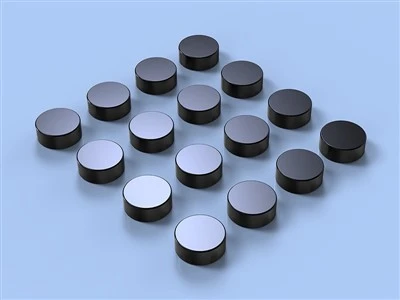

In the realm of industrial applications, magnetic separators play a crucial role in a wide variety of industries, from mining and recycling to food processing and pharmaceuticals. These devices are designed to remove ferrous materials from bulk products, ensuring product purity and the smooth operation of machinery. One of the key components of magnetic separators is, of course, the magnet. While there are many types of magnets with different coatings available, I'm particularly interested in discussing zinc-plated magnets as a supplier of Zinc Plating Magnet.
Understanding Magnetic Separators
Before we delve into whether zinc-plated magnets can be used in magnetic separators, let's first have a basic understanding of how magnetic separators work. Magnetic separators utilize the magnetic properties of materials to separate magnetic substances from non-magnetic ones. They come in various forms, such as drum separators, grate separators, and magnetic filters. The effectiveness of a magnetic separator depends on several factors, including the strength of the magnet, the design of the separator, and the nature of the materials being processed.
Types of Magnet Coatings
Magnets can be coated with different materials to enhance their performance, durability, and resistance to corrosion. Some of the common coatings include:
- Black Nickel Magnet: Black nickel coating provides a high level of corrosion resistance and a sleek appearance. It is often used in applications where aesthetics and durability are both important.
- Standard Nickel Magnet: This is one of the most widely used coatings for magnets. It offers good corrosion resistance and is relatively cost - effective.
- Epoxy Coating Magnet: Epoxy coating provides excellent insulation and protection against moisture and chemicals. It is suitable for use in harsh environments.
- Zinc Plating Magnet: Zinc plating is a common corrosion - protection method. Zinc acts as a sacrificial anode, which means it corrodes first to protect the underlying magnet.
- Electroless Nickel Magnet: Electroless nickel coating offers uniform coverage and high corrosion resistance. It is often used in applications where precision and durability are required.
Can Zinc - Plated Magnets Be Used in Magnetic Separators?
Advantages of Zinc - Plated Magnets for Magnetic Separators
- Corrosion Resistance: One of the primary benefits of using zinc - plated magnets in magnetic separators is their corrosion resistance. In many industrial environments, magnets are exposed to moisture, chemicals, and other corrosive substances. The zinc plating acts as a barrier, protecting the magnet from rust and other forms of corrosion. This is particularly important in applications such as mining and recycling, where the magnet may come into contact with damp or dirty materials.
- Cost - Effectiveness: Zinc plating is a relatively inexpensive coating method compared to some of the other options, such as electroless nickel or black nickel. This makes zinc - plated magnets a cost - effective choice for magnetic separator applications, especially for large - scale operations where cost is a significant factor.
- Good Adhesion: Zinc plating generally adheres well to the magnet surface, providing a stable and long - lasting coating. This ensures that the magnet retains its protective layer even under mechanical stress and vibration, which are common in magnetic separator operations.
Limitations of Zinc - Plated Magnets for Magnetic Separators
- Limited Hardness: Zinc is a relatively soft metal compared to some of the other coating materials. This means that zinc - plated magnets may be more prone to scratching and abrasion, especially in applications where the magnet comes into contact with hard or abrasive materials. In such cases, the coating may be damaged, exposing the underlying magnet to corrosion.
- Lower Aesthetic Appeal: While the corrosion - protection properties of zinc plating are excellent, it may not have the same aesthetic appeal as some of the other coatings, such as black nickel or epoxy. This may be a consideration in applications where the appearance of the magnet is important.
- Environmental Considerations: In some industries, there are strict environmental regulations regarding the use of certain metals and coatings. Zinc plating may have some environmental implications, especially if the plating process is not properly managed.
Factors to Consider When Choosing Magnets for Magnetic Separators
When deciding whether to use zinc - plated magnets in magnetic separators, several factors should be taken into account:
- Operating Environment: Consider the conditions under which the magnetic separator will be operating. If the environment is highly corrosive, such as in a mining or chemical processing plant, the corrosion - resistance properties of zinc - plated magnets may make them a suitable choice. However, if the environment involves a lot of abrasion, a harder coating may be required.
- Cost Constraints: Budget is always a consideration in industrial applications. If cost is a major factor, zinc - plated magnets may be an attractive option due to their relatively low cost compared to other coatings.
- Application Requirements: Different magnetic separator applications have different requirements. For example, in food processing, magnets must meet strict hygiene standards. In such cases, a coating that is easy to clean and does not contaminate the food may be more important.
Real - World Applications of Zinc - Plated Magnets in Magnetic Separators
Despite their limitations, zinc - plated magnets are used in a variety of magnetic separator applications:
- Mining Industry: In mining operations, magnetic separators are used to extract iron ore and other magnetic minerals from the ore body. Zinc - plated magnets can withstand the harsh conditions in mines, including exposure to water, dirt, and chemicals.
- Recycling Industry: Magnetic separators are used in recycling plants to separate ferrous metals from non - ferrous materials. Zinc - plated magnets can effectively remove ferrous metals from the waste stream while remaining resistant to corrosion.
Conclusion
In conclusion, zinc - plated magnets can indeed be used in magnetic separators, and they offer several advantages, such as corrosion resistance and cost - effectiveness. However, they also have some limitations, such as limited hardness and lower aesthetic appeal. When choosing magnets for magnetic separators, it is important to consider the operating environment, cost constraints, and application requirements.
As a supplier of Zinc Plating Magnet, I am well - versed in the properties and applications of these magnets. If you are interested in purchasing zinc - plated magnets for your magnetic separator applications, or if you have any questions regarding the suitability of these magnets for your specific needs, please feel free to contact me for further discussion and procurement. I am committed to providing high - quality products and excellent service to meet your requirements.


References
- Handbook of Magnetic Materials.
- Journal of Magnetism and Magnetic Materials.
- Industrial Magnetics Inc. Technical Resources.