
As a supplier of NdFeB block magnets, I often get asked if there are any alternatives to these powerful little magnets. Well, the short answer is yes, there are alternatives, but whether they're the right fit for your needs depends on a bunch of factors. Let's dive into this topic and explore what options are out there.
What Makes NdFeB Block Magnets So Popular?
First things first, let's talk about why NdFeB block magnets are so commonly used. These magnets are made from neodymium, iron, and boron, and they're known for their incredible magnetic strength. They're also pretty cost - effective when you consider how much magnetic power you're getting. NdFeB block magnets are used in all sorts of applications, from small electronic devices like headphones and hard drives to larger industrial equipment.
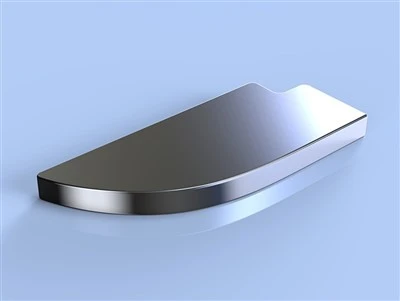
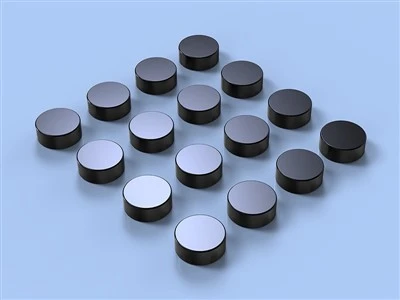
The shape of the block magnet is also a plus. It's easy to work with, and you can stack them up or arrange them in different configurations to get the exact magnetic field you need. And if you're in the market for different shapes of NdFeB magnets, we also offer Adhesive NdFeB Magnet, NdFeB Disc Magnet, NdFeB Sector Magnet, NdFeB Sphere Magnet, and Throug Hole Magnet.
Alternative Magnetic Materials
Ferrite Magnets
Ferrite magnets, also known as ceramic magnets, are one of the most common alternatives to NdFeB block magnets. They're made from a combination of iron oxide and other metallic elements. Ferrite magnets are much less expensive than NdFeB magnets, which makes them a great choice for applications where cost is a major concern.
However, they don't have the same magnetic strength as NdFeB magnets. So if you need a really strong magnetic field, ferrite magnets might not be the best option. They're often used in things like refrigerator magnets, speakers, and small motors where high - strength magnetism isn't crucial.
Alnico Magnets
Alnico magnets are made from aluminum, nickel, and cobalt. These magnets have been around for a long time, and they're known for their high - temperature resistance. Unlike NdFeB magnets, which can lose their magnetism at relatively high temperatures, Alnico magnets can withstand much higher heat without significant loss of magnetic strength.
On the downside, Alnico magnets are not as strong as NdFeB magnets at room temperature. They're also more brittle and can be difficult to machine. They're commonly used in applications like guitar pickups and some types of sensors where temperature stability is important.
Samarium - Cobalt (SmCo) Magnets
SmCo magnets are another high - performance alternative to NdFeB block magnets. They offer similar magnetic strength to NdFeB magnets, but they have better temperature stability and corrosion resistance. SmCo magnets can operate at much higher temperatures than NdFeB magnets without losing their magnetism.


The main drawback of SmCo magnets is their cost. They're more expensive than NdFeB magnets, and the raw materials used to make them are less abundant. This makes them a better choice for applications where the benefits of high - temperature stability and corrosion resistance outweigh the higher cost, such as in aerospace and military applications.
When to Choose an Alternative
So, when should you consider choosing an alternative to NdFeB block magnets? Well, here are a few scenarios:
Cost - Sensitive Projects
If you're working on a project with a tight budget, and you don't need extremely high magnetic strength, ferrite magnets could be a great option. You can get a large quantity of ferrite magnets for a relatively low cost, which can really help keep your project within budget.
High - Temperature Environments
If your application involves high temperatures, NdFeB magnets might not be the best choice. Alnico or SmCo magnets would be more suitable because they can maintain their magnetic properties at elevated temperatures.
Corrosive Environments
If your magnets will be exposed to corrosive substances, SmCo magnets are a better option than NdFeB magnets. NdFeB magnets are prone to corrosion and usually need to be coated to protect them, while SmCo magnets have better natural corrosion resistance.
Why You Might Still Choose NdFeB Block Magnets
Despite the alternatives, there are still plenty of reasons to stick with NdFeB block magnets. As I mentioned earlier, they offer a high level of magnetic strength at a relatively low cost. They're also very versatile and can be used in a wide range of applications.
If you need a strong magnetic field in a small space, NdFeB block magnets are hard to beat. Their compact size and high strength make them ideal for use in electronic devices and miniaturized applications.
Conclusion and Invitation to Contact
In conclusion, while there are alternatives to NdFeB block magnets, the right choice depends on your specific needs. Whether it's cost, temperature, corrosion resistance, or magnetic strength, you need to weigh the pros and cons of each option.
As a supplier, I'm here to help you navigate through these choices. If you're in the market for NdFeB block magnets or want to discuss which alternative might be best for your project, don't hesitate to reach out. We can provide you with detailed information, samples, and competitive pricing. Let's have a chat and find the perfect magnetic solution for you.
References
- "Handbook of Magnetic Materials". Elsevier.
- Scientific articles on magnetic materials from peer - reviewed journals such as "Journal of Applied Physics" and "IEEE Transactions on Magnetics".