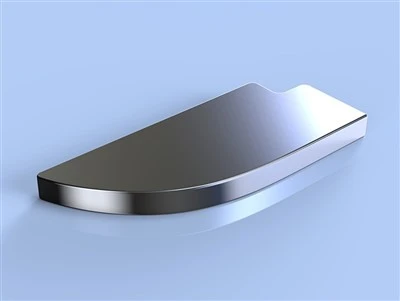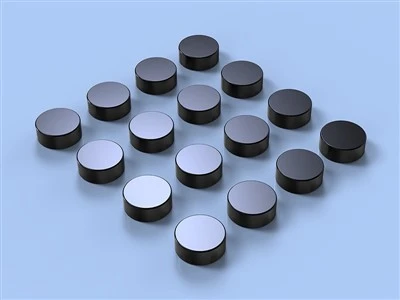

Black nickel magnets are a remarkable type of permanent magnet that has gained significant popularity in various industries due to their unique properties and aesthetic appeal. As a leading supplier of black nickel magnets, I am often asked about their density, which plays a crucial role in many engineering and design applications. In this blog post, I will delve into the topic of the density of black nickel magnets, exploring what it means, how it is determined, and its significance in practical use.
Understanding Density
Density is a fundamental physical property that describes the mass of a substance per unit volume. Mathematically, it is expressed as ( \rho=\frac{m}{V}), where (\rho) is the density, (m) is the mass, and (V) is the volume. The unit of density in the International System of Units (SI) is kilograms per cubic meter ((kg/m^{3})), but in some cases, grams per cubic centimeter ((g/cm^{3})) are also commonly used.
The density of a material provides valuable information about its composition and structure. For magnets, density can influence their performance, handling, and suitability for specific applications. A higher density often indicates a more compact and potentially stronger magnet, while a lower density may suggest a lighter or more porous material.


Composition of Black Nickel Magnets
Black nickel magnets are typically a type of neodymium magnet, which are known for their high strength and excellent magnetic properties. Neodymium magnets are made from an alloy of neodymium (Nd), iron (Fe), and boron (B), commonly referred to as NdFeB magnets. The black nickel coating is applied to the surface of the magnet to provide corrosion resistance and an attractive appearance.
The base NdFeB alloy has a specific density, which is influenced by its chemical composition and the manufacturing process. The addition of the black nickel coating also contributes to the overall density of the magnet, although the coating thickness is relatively thin compared to the magnet's core.
Density of Neodymium Magnets
The density of pure neodymium is approximately (7.01 g/cm^{3}), iron has a density of about (7.87 g/cm^{3}), and boron has a density of (2.34 g/cm^{3}). However, the NdFeB alloy used in neodymium magnets has a different density due to the combination of these elements in specific proportions.
On average, the density of NdFeB magnets ranges from (7.4 - 7.6 g/cm^{3}). This value can vary slightly depending on the exact composition of the alloy, the manufacturing method, and the quality of the raw materials used. For example, magnets with a higher neodymium content may have a slightly higher density, while those with more iron or other additives may have a lower density.
Impact of the Black Nickel Coating on Density
The black nickel coating on neodymium magnets is a thin layer that is applied through a plating process. The thickness of the coating can vary, but it is typically in the range of a few micrometers to tens of micrometers. While the coating adds some mass to the magnet, its contribution to the overall density is relatively small.
The density of nickel is approximately (8.90 g/cm^{3}). However, because the coating is so thin, the increase in density due to the black nickel coating is usually negligible compared to the density of the NdFeB core. In most cases, the density of a black nickel magnet can be considered to be approximately the same as that of an uncoated NdFeB magnet, within the range of (7.4 - 7.6 g/cm^{3}).
Significance of Density in Applications
The density of black nickel magnets has several important implications for their use in various applications. Here are some key areas where density plays a role:
Magnetic Performance
The density of a magnet is related to its magnetic properties. In general, a higher density magnet tends to have a stronger magnetic field. This is because a denser material has a higher concentration of magnetic domains, which are regions within the magnet where the magnetic moments of the atoms are aligned. As a result, black nickel magnets with a higher density may be more suitable for applications that require a strong magnetic force, such as in electric motors, generators, and magnetic separators.
Weight and Handling
The density of a magnet also affects its weight. For applications where weight is a critical factor, such as in aerospace or automotive industries, a lower density magnet may be preferred. On the other hand, in applications where a heavier magnet is beneficial for stability or to provide a counterweight, a higher density magnet may be more appropriate.
Design and Engineering
Engineers and designers need to consider the density of black nickel magnets when designing products. The density affects the overall mass distribution of the device, which can impact its balance, stability, and performance. Additionally, the density can influence the choice of materials and manufacturing processes used in the surrounding components to ensure compatibility and proper functioning.
Other Types of Coated Magnets and Their Density Considerations
In addition to black nickel magnets, there are several other types of coated magnets available in the market, each with its own unique properties and density characteristics. Here are some examples:
- Epoxy Coating Magnet: Epoxy coating provides protection against corrosion and mechanical damage. The density of an epoxy-coated magnet is similar to that of an uncoated magnet, as the epoxy layer is relatively thin and has a low density compared to the NdFeB core.
- Electroless Nickel Magnet: Electroless nickel coating offers excellent corrosion resistance and a smooth surface finish. Like the black nickel coating, the density of an electroless nickel magnet is largely determined by the density of the NdFeB core, with only a minor increase due to the coating.
- Standard Nickel Magnet: Standard nickel coating is a common choice for neodymium magnets. It provides good corrosion protection and a relatively low - cost solution. The density of a standard nickel magnet is comparable to that of a black nickel magnet, with the density of the nickel coating having a minimal impact on the overall density.
- Zinc Plating Magnet: Zinc plating is another option for protecting neodymium magnets from corrosion. Zinc has a density of approximately (7.14 g/cm^{3}). The density of a zinc - plated magnet is similar to that of an uncoated magnet, with a slight increase due to the zinc layer.
- Tin Coating Magnet: Tin coating is used for its solderability and corrosion resistance. Tin has a density of about (7.31 g/cm^{3}). Similar to other coatings, the tin coating has a minor effect on the overall density of the magnet.
Conclusion and Call to Action
In conclusion, the density of black nickel magnets is primarily determined by the density of the NdFeB alloy core, which typically ranges from (7.4 - 7.6 g/cm^{3}). The black nickel coating has a negligible impact on the overall density due to its thinness. Understanding the density of black nickel magnets is essential for engineers, designers, and manufacturers to ensure optimal performance and compatibility in various applications.
As a trusted supplier of black nickel magnets, we offer a wide range of high - quality products with consistent density and excellent magnetic properties. Whether you are working on a small - scale project or a large - scale industrial application, we have the expertise and resources to meet your specific requirements.
If you are interested in learning more about our black nickel magnets or other coated magnets, or if you have any questions or need assistance with your magnet selection, please feel free to contact us. We look forward to discussing your needs and providing you with the best solutions for your magnets.
References
- "Neodymium Magnets: Properties, Applications, and Market Trends," by Precious Metals Information Network.
- "Magnetism and Magnetic Materials," by B. D. Cullity and C. D. Graham.
- Manufacturer's technical specifications for NdFeB magnets.