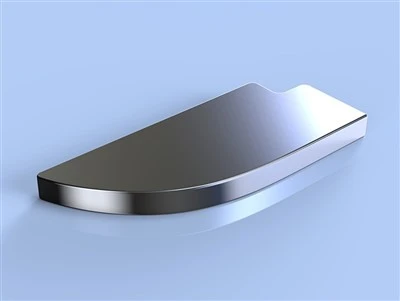

Selecting the right linear motor magnet for a small - scale application is a crucial decision that can significantly impact the performance and efficiency of your project. As a linear motor magnet supplier, I have witnessed firsthand the challenges that engineers and hobbyists face when making this choice. In this blog post, I will share some key considerations and guidelines to help you make an informed decision.
Understanding Linear Motor Magnets
Before delving into the selection process, it's important to have a basic understanding of linear motor magnets. Linear motors are electromagnetic devices that produce linear motion instead of rotational motion like traditional rotary motors. The magnets in a linear motor play a vital role in generating the necessary magnetic field for the motor to function.
The most commonly used magnets in linear motors are rare - earth magnets, specifically neodymium magnets. Neodymium magnets offer high magnetic strength, coercivity, and energy product, which makes them ideal for applications where high - performance and compact size are required.
Factors to Consider When Selecting a Linear Motor Magnet for Small - Scale Applications
1. Magnetic Strength
The magnetic strength of a linear motor magnet is one of the most important factors to consider. It is typically measured in terms of the magnet's flux density, which is expressed in units of Tesla (T) or Gauss (G). For small - scale applications, you need to determine the minimum magnetic strength required to achieve the desired motor performance.
If the magnetic strength is too low, the motor may not be able to generate enough force to move the load. On the other hand, if the magnetic strength is too high, it can lead to increased power consumption and overheating. You can refer to our Linear Motor Magnet page to learn more about the magnetic strength options available.
2. Size and Shape
The size and shape of the linear motor magnet are also critical considerations, especially for small - scale applications. The magnet should fit within the limited space available in your device. Common shapes for linear motor magnets include rectangular, cylindrical, and arc - shaped.


Rectangular magnets are often used in linear motors because they can be easily arranged in arrays to create a uniform magnetic field. Cylindrical magnets are suitable for applications where a more compact design is required. The size of the magnet should be chosen based on the force requirements and the available space in the motor.
3. Temperature Stability
Temperature can have a significant impact on the performance of neodymium magnets. As the temperature increases, the magnetic properties of neodymium magnets can degrade. For small - scale applications, it's important to consider the operating temperature range of the device.
If the application involves high temperatures, you may need to choose a magnet with a higher temperature coefficient or a special coating to protect the magnet from heat. Our technical team can provide you with detailed information on the temperature stability of our Linear Motor Magnet products.
4. Cost - Effectiveness
Cost is always a factor in any project, especially for small - scale applications. While neodymium magnets offer excellent performance, they can be relatively expensive compared to other types of magnets.
When selecting a linear motor magnet, you need to balance the performance requirements with the cost. You can consider using smaller magnets or magnets with slightly lower magnetic properties if they can still meet the basic requirements of your application. Additionally, our company offers competitive pricing on our Linear Motor Magnet products to help you reduce costs.
Comparing Linear Motor Magnets with Other Types of Magnets
Linear motor magnets are just one type of magnet used in various applications. It can be helpful to compare them with other types of magnets such as Rotary Motor Magnet, Wireless Charging Magnet, Hearing Aid Magnet, and Game Console Magnet.
Rotary motor magnets are designed for rotational motion and typically have different magnetic arrangements and properties compared to linear motor magnets. Wireless charging magnets are optimized for the efficient transfer of electromagnetic energy in wireless charging systems. Hearing aid magnets need to be small, lightweight, and have low magnetic leakage to avoid interference with the electronic components of the hearing aid. Game console magnets are used for various functions such as joystick control and haptic feedback, and they usually require a combination of precise magnetic properties and durability.
Each type of magnet is tailored to specific applications, and understanding these differences can help you make a better - informed decision when choosing a linear motor magnet for your small - scale project.
Working with a Reliable Supplier
As a linear motor magnet supplier, we understand the importance of providing high - quality products and excellent customer service. When working with a supplier, it's important to consider the following:
- Product Quality: Look for a supplier that has strict quality control measures in place. Our company uses advanced manufacturing processes and testing equipment to ensure the consistency and high quality of our magnets.
- Technical Support: A good supplier should be able to provide technical support to help you choose the right magnet for your application. Our experienced technical team can answer your questions and provide customized solutions based on your specific requirements.
- Delivery Time: Timely delivery is crucial for your project. We have a well - organized supply chain management system to ensure that your order is delivered on time.
Conclusion
Selecting the right linear motor magnet for a small - scale application requires careful consideration of factors such as magnetic strength, size and shape, temperature stability, and cost - effectiveness. By understanding these factors and working with a reliable supplier, you can ensure that your linear motor performs optimally.
If you are interested in purchasing linear motor magnets for your small - scale application, we invite you to contact us for further discussions. Our team of experts is ready to assist you in finding the perfect magnet solution for your project.
References
- "Magnetism and Magnetic Materials" by David Jiles.
- "Handbook of Modern Sensors: Physics, Designs, and Applications" by Jacob Fraden.
- Online resources on neodymium magnet applications and properties.