
In the world of modern engineering and technology, motors play an indispensable role across a vast array of industries, from automotive and aerospace to consumer electronics and industrial machinery. One key component that has revolutionized motor design and performance is the NdFeB (Neodymium Iron Boron) magnet, and in particular, the NdFeB disc magnet. As a leading supplier of NdFeB Disc Magnets, I am often asked about the applicability of these magnets in motors. In this blog post, I will delve into the science and practical aspects of using NdFeB disc magnets in motors.
Understanding NdFeB Magnets
NdFeB magnets are a type of rare - earth magnet known for their exceptional magnetic properties. They were first developed in the 1980s and quickly became popular due to their high energy product, which is a measure of a magnet's maximum magnetic energy storage capacity. Compared to other types of magnets like ferrite or alnico magnets, NdFeB magnets can produce a much stronger magnetic field for their size.
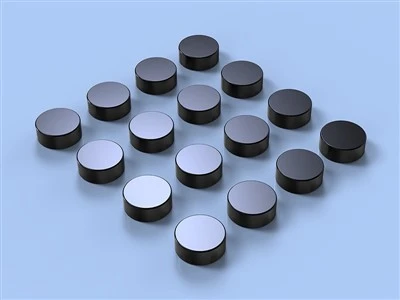
The NdFeB disc magnet, with its flat, circular shape and well - defined poles, offers unique advantages. It is relatively easy to manufacture with high precision, allowing for accurate control of its magnetic properties. The disc shape also provides a large surface area for interaction with other magnetic or conductive materials in a motor.
The Working Principle of Motors and the Role of Magnets
To understand how NdFeB disc magnets can be used in motors, we first need to grasp the basic working principle of motors. Most motors operate on the principle of electromagnetic induction, which was discovered by Michael Faraday in the 19th century. When an electric current is passed through a conductor placed in a magnetic field, a force is exerted on the conductor, causing it to move.
In a motor, the magnetic field is typically provided by permanent magnets or electromagnets. The interaction between the magnetic field and the current - carrying conductors generates torque, which is responsible for the rotational motion of the motor shaft.
Advantages of Using NdFeB Disc Magnets in Motors
-
High Power Density: NdFeB disc magnets have a high energy product, which means that they can produce a strong magnetic field in a relatively small volume. This allows for the design of more compact and lightweight motors without sacrificing power output. For example, in electric vehicles, using NdFeB disc magnets in the motors can help reduce the overall weight of the vehicle, increasing its energy efficiency and range.
-
Efficiency: The strong magnetic field provided by NdFeB disc magnets results in a more efficient conversion of electrical energy into mechanical energy. Motors using these magnets typically have higher efficiency ratings, which translates into lower energy consumption and operating costs. In industrial applications, this can lead to significant savings over the long term.
-
Precise Control: The well - defined magnetic properties of NdFeB disc magnets enable precise control of motor performance. This is particularly important in applications where accurate speed and torque control are required, such as in robotics and CNC machines.
-
Versatility: The disc shape of these magnets offers flexibility in motor design. They can be easily arranged in different configurations, such as in parallel or series, to meet the specific requirements of a particular motor application.
Challenges and Considerations
While NdFeB disc magnets offer many advantages in motor applications, there are also some challenges and considerations that need to be addressed:
- Cost: NdFeB magnets are relatively expensive compared to other types of magnets. The cost of the raw materials, especially neodymium, a rare - earth element, can fluctuate significantly due to supply and demand factors. However, the performance benefits often outweigh the cost in high - end applications where efficiency and compactness are crucial.
- Temperature Sensitivity: NdFeB magnets have a relatively low Curie temperature, which is the temperature at which they lose their permanent magnetic properties. In high - temperature applications, special design considerations or the use of high - temperature - resistant NdFeB alloys may be required.
- Corrosion: NdFeB magnets are prone to corrosion if not properly protected. In moist or corrosive environments, a protective coating such as nickel or epoxy is usually applied to prevent oxidation.
Types of Motors that Can Use NdFeB Disc Magnets
- Permanent Magnet DC Motors: These motors are widely used in consumer electronics, automotive accessories, and small appliances. NdFeB disc magnets are well - suited for these motors due to their high magnetic strength and compact size. The use of NdFeB disc magnets can improve the motor's efficiency, torque - speed characteristics, and overall performance.
- Brushless DC Motors: Brushless DC motors are commonly found in applications such as drones, high - performance fans, and electric power tools. NdFeB disc magnets can provide the required magnetic field for the motor's operation, enabling smooth and efficient rotation. The precise control capabilities of these magnets also contribute to the accurate speed and torque control of brushless DC motors.
- Synchronous Motors: Synchronous motors are used in industrial applications where constant speed is required, such as in pumps, compressors, and generators. NdFeB disc magnets can enhance the performance of synchronous motors by providing a strong and stable magnetic field, resulting in higher efficiency and better power factor.
Other NdFeB Magnet Shapes for Motor Applications
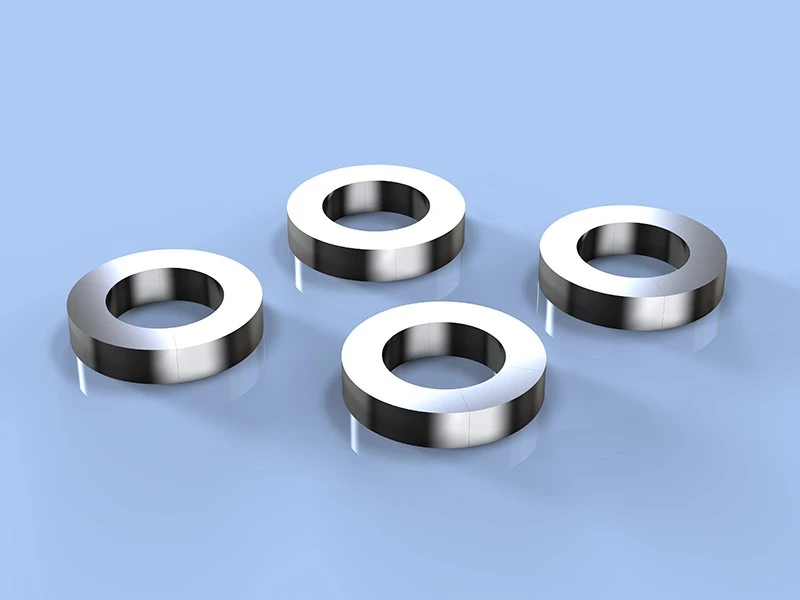
In addition to NdFeB disc magnets, other shapes of NdFeB magnets can also be used in motors depending on the specific design requirements. For example, NdFeB Ring Magnets are often used in motors where a central hole is needed for the shaft or other components. The circular shape of the ring magnet provides a uniform magnetic field around the circumference, which can be beneficial for motor operation.
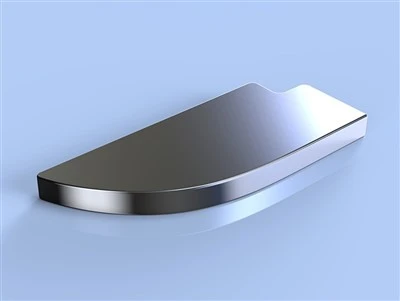
NdFeB Sector Magnets are useful in applications where a segmented magnetic field is required. They can be arranged in a circular pattern to form a complete magnetic circuit, allowing for more complex motor designs.
NdFeB Cube Magnets are another option, especially in small - scale motors or where a simple and straightforward magnet configuration is sufficient. The cube shape provides a stable and predictable magnetic field.
Countersunk Hole Magnets can be used in motors where a secure mounting is required. The countersunk hole allows for easy attachment of the magnet to other components using screws or bolts.
Conclusion
In conclusion, NdFeB disc magnets are highly suitable for a wide range of motor applications. Their high power density, efficiency, and precise control capabilities make them an attractive choice for designers and engineers looking to improve motor performance. While there are some challenges such as cost, temperature sensitivity, and corrosion to address, these can be mitigated through proper design and material selection.

As a supplier of NdFeB Disc Magnets, we are committed to providing high - quality magnets that meet the diverse needs of our customers. Whether you are working on a new motor design or looking to upgrade an existing one, we have the expertise and products to support you. If you are interested in learning more about our NdFeB disc magnets or would like to discuss a potential application, please feel free to contact us for a procurement consultation.
References
- "Permanent Magnet Motor Technology: Design and Applications" by John H. Kuo.
- "Magnetic Materials and Their Applications" by E. C. Stoner and E. P. Wohlfarth.
- Industry reports on rare - earth magnets and motor technology from reliable research institutions.