
Hey there, tech enthusiasts and curious minds! I'm a supplier of computer magnets, and today I want to dive into a topic that might not be on everyone's radar but is super important—what happens when a computer magnet comes into contact with a credit card.
First off, let's talk a bit about how credit cards work. Most of the traditional credit cards out there have a magnetic stripe on the back. This stripe contains a bunch of data that's encoded in a magnetic pattern. When you swipe your card at a store, the credit card reader reads this magnetic pattern, and boom! The payment process kicks off.
So, what's the big deal with computer magnets? Well, computer magnets are pretty powerful. They're used in all sorts of computer components to do things like spin hard drives, power speakers, and more. And that power is exactly what can spell trouble for your credit card.
When a computer magnet gets too close to a credit card's magnetic stripe, it can disrupt the magnetic pattern on the stripe. You see, magnets work by creating a magnetic field. When this field interacts with the magnetic stripe on the credit card, it can overwrite or distort the data stored there. It's kind of like trying to write on a chalkboard with another piece of chalk that's scribbling all over the place. The original message gets messed up.
Once the data on the magnetic stripe is messed up, your credit card might not work properly. You could go to the grocery store, swipe your card, and get that dreaded "declined" message. It's not because you're out of money; it's because the card reader can't read the jumbled-up data on the stripe. And that can be a real pain in the you-know-what, especially if you're in a hurry or in the middle of an important purchase.
But it's not just about getting declined at the checkout counter. There are other potential dangers too. If the data on your credit card is corrupted, it could potentially lead to security issues. Hackers are always looking for ways to get their hands on your financial information, and a corrupted credit card could be an open door for them. They might be able to intercept the garbled data and use it to try and steal your identity or make unauthorized purchases.
Now, you might be thinking, "Well, how likely is it that my computer magnet is going to come into contact with my credit card?" It might be more common than you think. Maybe you keep your credit cards in your wallet, and your wallet is sitting on your desk right next to your computer. Or you're carrying your laptop around in a bag, and your credit cards are in there too. One little jostle, and that magnet could end up too close to your cards.
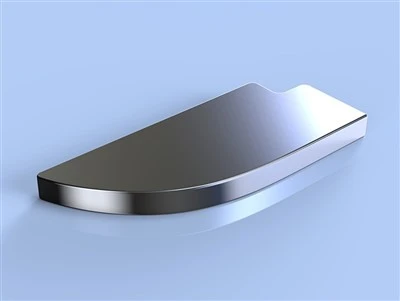
Another thing to keep in mind is that not all computer magnets are created equal. Some are stronger than others. For example, the Rotary Motor Magnet used in certain motors can be pretty powerful. If you're working on a computer project that involves these magnets and you have your credit cards nearby, you could be in for a rough time.
The Headphone Magnet is another one. Many high - quality headphones use strong magnets to produce great sound. If you're charging your headphones on your desk and your credit cards are right there, you might not even realize that the magnet in the headphones could be slowly causing damage to your cards.
The Smart Glasses Magnet is a bit of a hidden culprit. These magnets are often used to hold the parts of smart glasses together. If you're the type of person who throws your smart glasses in your bag with your wallet, you could be at risk.
And let's not forget about the Halbach Array Magnet Assembly and the Linear Motor Magnet. These are used in more specialized computer applications, but they're still powerful magnets. If you're involved in any kind of tech work where these magnets are used, you need to be extra careful around your credit cards.
So, what can you do to protect your credit cards from computer magnets? Well, the first thing is to keep them separated. Use a wallet that has a special compartment or lining to protect against magnetic interference. There are also card sleeves that you can buy that act as a shield between your card and any nearby magnets.
If you're working with computer magnets, make sure you have a dedicated area for your work. Keep your credit cards and other magnetic items far away from that area. And when you're traveling with your laptop or other tech devices, make sure your credit cards are in a separate, magnet - protected pouch.


As a computer magnet supplier, I want to make sure that you're using our products safely. While our magnets are high - quality and great for all sorts of applications, we also know that it's important to be aware of the potential risks.
If you're in the market for computer magnets, whether it's for a new project or to replace some old ones, I'd love to have a chat with you. We have a wide range of magnets to choose from, and we can provide you with all the information you need to make the right decision. You can reach out to us to talk about your specific needs, and we'll work together to find the perfect solution for you.
In conclusion, the potential dangers of a computer magnet coming into contact with a credit card are real. From disrupted data to security risks, there's a lot at stake. But with a little bit of knowledge and some simple precautions, you can keep your credit cards safe while still enjoying the benefits of powerful computer magnets.
References:
- Card industry research reports on magnetic stripe vulnerabilities
- Technical specifications on computer magnet strength and magnetic fields