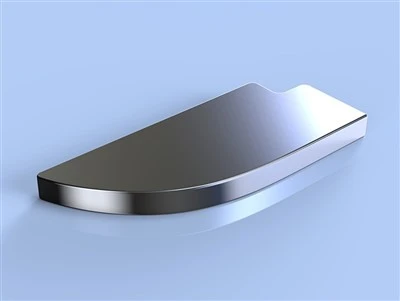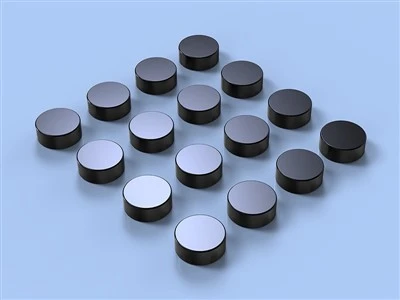

In the ever - evolving realm of technology, computer servers play a pivotal role in managing and processing vast amounts of data. A critical yet often overlooked component that can significantly enhance the performance and functionality of computer server racks is the computer magnet. As a leading supplier of computer magnets, I am excited to delve into the numerous benefits that these magnets bring to computer server racks.
Enhanced Component Stability
One of the primary benefits of using computer magnets in server racks is the improvement in component stability. Server racks house a multitude of sensitive and often delicate electronic components such as hard drives, circuit boards, and memory modules. These components are subject to vibrations, which can be caused by the operation of fans, the movement of the server rack itself, or even external factors like nearby machinery.
Computer magnets can be used to secure these components in place. For example, they can hold hard drives firmly in their bays, preventing any unwanted movement that could lead to mechanical stress or wear and tear. This stability is crucial for the long - term reliability of the components. A well - secured hard drive is less likely to experience head crashes or data read/write errors, which can lead to data loss and system downtime.
Circuit boards and memory modules can also benefit from magnetic fasteners. Magnets can be used to create a secure connection between different parts of the motherboard, ensuring that electrical connections remain stable. This is especially important in high - performance servers where data transfer speeds are critical. By reducing the risk of loose connections, magnets help to maintain consistent performance and minimize the likelihood of system failures.
Improved Cooling Efficiency
Proper cooling is essential for the optimal operation of computer server racks. Excessive heat can cause components to overheat, leading to reduced performance and potentially permanent damage. Computer magnets can play a significant role in improving the cooling efficiency of server racks.
One way magnets contribute to cooling is through the attachment of cooling fans. In a server rack, fans are used to circulate air and remove heat from the components. By using magnets to attach fans to the server chassis, it becomes easier to install, remove, and replace fans as needed. This flexibility allows for more efficient maintenance of the cooling system.
Moreover, magnets can be used to create a more precise airflow path within the server rack. Magnetic guides can direct the flow of air towards the components that generate the most heat, such as processors and graphics cards. This targeted cooling approach helps to remove heat more effectively, reducing the overall temperature of the server rack and improving the lifespan of the components.
Simplified Maintenance and Upgrades
In the world of IT, maintenance and upgrades are a constant necessity. Server systems need to be updated regularly to keep up with the latest software and hardware requirements. Computer magnets can significantly simplify these processes.
When it comes to maintenance, the use of magnetic fasteners allows for quick and easy access to the internal components of the server. Instead of dealing with screws that can be difficult to remove or may get lost, technicians can simply release the magnetic connections. This saves time and reduces the risk of damaging the components during maintenance.
For upgrades, magnets offer a modular approach. New components can be easily attached to the existing server infrastructure using magnetic connectors. For example, adding additional memory modules or expanding storage capacity becomes a seamless process. This modularity not only reduces the time and effort required for upgrades but also allows for more flexibility in configuring the server according to specific needs.
Reduced Electromagnetic Interference (EMI)
Electromagnetic interference can be a major problem in computer server racks. EMI can disrupt the normal operation of electronic components, leading to data corruption and system malfunctions. Computer magnets can be used to help reduce EMI.
Certain types of magnets can be used to create magnetic shielding around sensitive components. These shields act as a barrier, preventing external electromagnetic fields from interfering with the internal workings of the components. For example, a magnetic shield can be placed around a hard drive or a data cable to protect it from the electromagnetic noise generated by other nearby components.
By reducing EMI, computer magnets help to improve the overall reliability and performance of the server rack. This is particularly important in high - security and high - precision applications where data integrity is of utmost importance.
Cost - Effectiveness in the Long Run
While the initial investment in computer magnets for server racks may seem like an additional expense, it can lead to significant cost savings in the long run. By enhancing the stability and reliability of the components, reducing the frequency of maintenance and upgrades, and improving the cooling efficiency, the overall lifespan of the server rack is extended.
A longer - lasting server rack means fewer replacements, which translates into lower capital expenditures. Additionally, the reduced downtime due to fewer component failures and system malfunctions can save a substantial amount of money in terms of lost productivity. In a business environment where every minute of system downtime can result in significant financial losses, the cost - effectiveness of using computer magnets becomes even more apparent.
As a supplier of top - quality computer magnets, we also offer a wide range of magnets for other applications. If you are interested in magnets for mobile phones, you can visit our Mobile Phone Magnet page. For those looking for magnets for smart glasses, our Smart Glasses Magnet page provides detailed information. Our Linear Motor Magnet and Halbach Array Magnet Assembly pages are also available for those in need of specialized magnets. And of course, you can explore more about Computer Magnet on our dedicated page.


If you are considering using computer magnets in your server racks or have any questions about our products, we encourage you to reach out to us for a detailed discussion. Our team of experts is ready to assist you in finding the most suitable magnets for your specific requirements.
References
- "Electromagnetic Compatibility in Electronic Systems" by Clayton R. Paul
- "Thermal Management of Electronic Systems" by Avram Bar - Cohen and Ali Boroushaki
- "Server Technology Handbook" by various authors