
As a supplier of NdFeB cylinder magnets, I often receive inquiries about the potential applications of our products. Among the most intriguing questions is whether NdFeB cylinder magnets can be used in magnetic resonance imaging (MRI). In this blog post, I will explore this topic in detail, discussing the properties of NdFeB cylinder magnets, the requirements of MRI systems, and the feasibility of using these magnets in MRI applications.
Properties of NdFeB Cylinder Magnets
Neodymium iron boron (NdFeB) magnets are known for their exceptional magnetic properties, making them one of the most powerful permanent magnets available today. These magnets are composed of neodymium, iron, and boron, and they have a high coercivity, which means they can maintain their magnetic field even in the presence of external magnetic fields.
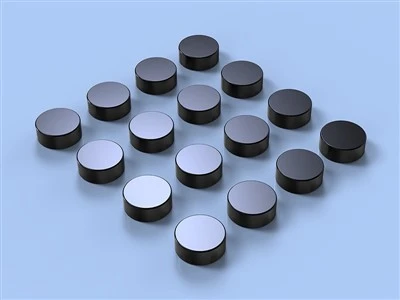
NdFeB cylinder magnets have a cylindrical shape, which is particularly useful for applications that require a concentrated magnetic field. The cylindrical shape allows for a more uniform magnetic field distribution, which can be beneficial in various applications, including MRI.
One of the key advantages of NdFeB cylinder magnets is their high magnetic energy product, which is a measure of the magnet's strength. The high energy product of NdFeB magnets allows for the creation of strong magnetic fields with relatively small magnets, which can be advantageous in applications where space is limited.
Requirements of MRI Systems
Magnetic resonance imaging (MRI) is a medical imaging technique that uses a strong magnetic field and radio waves to generate detailed images of the internal structures of the body. MRI systems require a highly uniform and stable magnetic field to produce accurate and high-quality images.
The magnetic field in an MRI system is typically generated by a large superconducting magnet or a permanent magnet. Superconducting magnets are the most commonly used type of magnet in MRI systems because they can produce very strong and uniform magnetic fields. However, superconducting magnets are expensive to build and maintain, and they require a cryogenic cooling system to keep the superconducting coils at a very low temperature.
Permanent magnets, on the other hand, are less expensive and do not require a cryogenic cooling system. However, they are limited in terms of the strength and uniformity of the magnetic field they can produce.
In addition to the magnetic field strength and uniformity, MRI systems also require a gradient system to create variations in the magnetic field. The gradient system is used to encode spatial information in the MRI images, allowing for the creation of detailed anatomical images.
Feasibility of Using NdFeB Cylinder Magnets in MRI
The use of NdFeB cylinder magnets in MRI systems is an area of ongoing research and development. While these magnets have the potential to offer several advantages over traditional superconducting magnets, there are also several challenges that need to be addressed.
One of the main challenges of using NdFeB cylinder magnets in MRI is the limited strength and uniformity of the magnetic field they can produce. MRI systems typically require a magnetic field strength of at least 1.5 Tesla, and the magnetic field needs to be highly uniform within the imaging volume. While NdFeB magnets can produce strong magnetic fields, it is difficult to achieve the required uniformity over a large volume.
Another challenge is the temperature stability of NdFeB magnets. These magnets have a relatively low Curie temperature, which means that their magnetic properties can be affected by changes in temperature. In an MRI system, the temperature needs to be carefully controlled to ensure the stability of the magnetic field.


Despite these challenges, there are several potential advantages of using NdFeB cylinder magnets in MRI. One advantage is the cost savings. NdFeB magnets are less expensive to manufacture and maintain than superconducting magnets, which can make MRI systems more affordable and accessible.
Another advantage is the potential for smaller and more portable MRI systems. NdFeB magnets can be used to create smaller and lighter magnets, which can make it possible to develop portable MRI systems that can be used in remote or underserved areas.
Other Shapes of NdFeB Magnets and Their Applications
In addition to NdFeB cylinder magnets, there are several other shapes of NdFeB magnets that are available for different applications. For example, NdFeB Block Magnet are often used in motors, generators, and magnetic separators. Their rectangular shape allows for easy installation and integration into various systems.
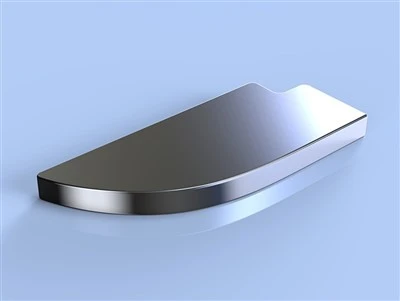
NdFeB Sector Magnet are commonly used in magnetic sensors and actuators. The sector shape provides a unique magnetic field distribution that can be tailored to specific applications.
Adhesive NdFeB Magnet are designed with an adhesive backing, which makes them easy to attach to various surfaces. These magnets are often used in household applications, such as refrigerator magnets and magnetic closures.
Countersunk Hole Magnet have a countersunk hole in the center, which allows for easy mounting with screws or bolts. These magnets are commonly used in industrial applications, such as magnetic fixtures and tool holders.
NdFeB Sphere Magnet have a spherical shape, which provides a uniform magnetic field in all directions. These magnets are often used in scientific research and educational applications.
Conclusion
The use of NdFeB cylinder magnets in magnetic resonance imaging is a promising area of research, but it also presents several challenges that need to be overcome. While these magnets have the potential to offer cost savings and the possibility of smaller and more portable MRI systems, the limited strength and uniformity of the magnetic field, as well as the temperature stability issues, need to be addressed.
As a supplier of NdFeB cylinder magnets, we are committed to working with researchers and manufacturers in the medical imaging industry to explore the potential of these magnets in MRI applications. We believe that with continued research and development, NdFeB cylinder magnets could play an important role in the future of magnetic resonance imaging.
If you are interested in learning more about our NdFeB cylinder magnets or other NdFeB magnet products, please feel free to contact us to discuss your specific requirements and explore potential applications. We look forward to the opportunity to work with you to find the best magnetic solutions for your needs.
References
- "Magnetic Resonance Imaging: Physical Principles and Sequence Design" by Raymond M. Hahn
- "Permanent Magnets and Their Applications" by Jens Müller