
How to store NdFeB Ring Magnet properly?
As a supplier of NdFeB ring magnets, I understand the importance of proper storage for these powerful and versatile magnets. NdFeB (Neodymium Iron Boron) ring magnets are widely used in various industries due to their high magnetic strength and excellent performance. However, they are also prone to some issues if not stored correctly. In this blog post, I will share some essential tips on how to store NdFeB ring magnets properly to maintain their quality and performance.
Understanding the Characteristics of NdFeB Ring Magnets
Before discussing the storage methods, it's crucial to understand the unique characteristics of NdFeB ring magnets. These magnets are made from an alloy of neodymium, iron, and boron, which gives them their exceptional magnetic properties. However, they also have some drawbacks, such as being brittle and prone to corrosion.
The high magnetic strength of NdFeB ring magnets can cause them to attract ferromagnetic materials, which can lead to damage if they collide with each other or other objects. Additionally, the iron content in the magnets makes them susceptible to rust and corrosion when exposed to moisture or certain chemicals.
Storage Conditions
Temperature
The ideal temperature range for storing NdFeB ring magnets is between -40°C and 80°C. Extreme temperatures can affect the magnetic properties of the magnets. At high temperatures, the magnetic strength of NdFeB magnets can gradually decrease, a phenomenon known as thermal demagnetization. On the other hand, very low temperatures can make the magnets more brittle and prone to cracking.
It's important to store the magnets in a location where the temperature remains relatively stable. Avoid storing them in direct sunlight, near heat sources such as heaters or ovens, or in areas that are subject to significant temperature fluctuations, like uninsulated attics or basements.


Humidity
Humidity is one of the biggest enemies of NdFeB ring magnets. Moisture in the air can cause the magnets to rust, which not only affects their appearance but also reduces their magnetic strength. To prevent corrosion, it's recommended to store the magnets in a dry environment with a relative humidity of less than 60%.
You can use desiccants such as silica gel packets in the storage containers to absorb moisture. Place the desiccant packets near the magnets, and replace them regularly to ensure they remain effective. If possible, store the magnets in a humidity-controlled environment, such as a dehumidified room.
Magnetic Field Interference
Since NdFeB ring magnets are very powerful, they can interact with each other and with other magnetic fields. When storing multiple magnets, it's important to keep them separated to prevent them from attracting or repelling each other, which can cause damage.
You can use non - magnetic materials such as plastic, wood, or cardboard to separate the magnets. For example, you can place the magnets in individual compartments or wrap them in non - magnetic materials like plastic bags. Also, keep the magnets away from other magnetic objects, such as speakers, hard drives, and magnetic sensors, as the magnetic field of the NdFeB ring magnets can interfere with their normal operation.
Storage Containers
Sealed Containers
Using sealed containers is an effective way to protect NdFeB ring magnets from moisture, dust, and other contaminants. Plastic containers with tight - fitting lids are a good choice. They are relatively inexpensive, lightweight, and can provide a barrier against the external environment.
Make sure the containers are clean and dry before placing the magnets inside. You can label the containers with the type, size, and quantity of the magnets for easy identification.
Customized Packaging
For large - scale storage or shipping, customized packaging can offer better protection. Some suppliers use specialized packaging materials, such as anti - static bags and foam inserts, to cushion the magnets and prevent them from moving during transport or storage. This helps to reduce the risk of damage caused by collisions.
Handling Precautions
Wear Protective Gear
When handling NdFeB ring magnets, it's important to wear appropriate protective gear, such as gloves and safety glasses. The magnets are very strong, and if they suddenly snap together, they can cause serious injuries, such as pinched fingers or broken bones. Gloves can also protect your hands from rust and other contaminants on the magnets.
Use Handling Tools
For larger or more powerful magnets, it's advisable to use handling tools such as tongs or magnetic lifters. This reduces the risk of direct contact with the magnets and makes it easier to move them safely. When using handling tools, make sure they are non - magnetic to avoid interference with the magnet's magnetic field.
Maintenance and Inspection
Regular Inspections
Periodically inspect the stored NdFeB ring magnets for signs of corrosion, damage, or changes in magnetic strength. Look for any visible rust, cracks, or chips on the surface of the magnets. If you notice any issues, take appropriate measures immediately, such as removing the damaged magnets or treating the corroded areas.
Re - Coating (if necessary)
If the coating on the magnets has been damaged, it can expose the magnet to moisture and increase the risk of corrosion. In some cases, it may be possible to re - coat the magnets to restore their protective layer. However, this should be done by a professional to ensure the quality and performance of the magnets are maintained.
Other Shapes of NdFeB Magnets
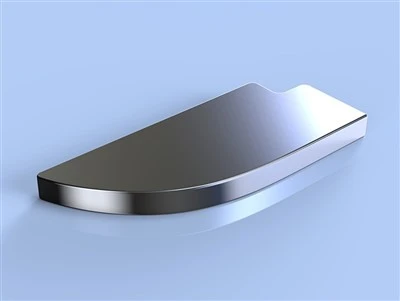
In addition to NdFeB ring magnets, we also supply other shapes of NdFeB magnets, such as NdFeB Irregular Magnet, NdFeB Sector Magnet, NdFeB Cube Magnet, NdFeB Block Magnet, and NdFeB Arc Magnet. The storage principles for these magnets are similar to those of NdFeB ring magnets. However, due to their different shapes, some minor adjustments may be needed in terms of packaging and handling.
Conclusion
Proper storage of NdFeB ring magnets is essential to maintain their quality, performance, and longevity. By controlling the temperature and humidity, separating the magnets, using appropriate storage containers, taking handling precautions, and conducting regular inspections, you can ensure that your NdFeB ring magnets remain in good condition.
If you are in need of high - quality NdFeB ring magnets or any other shapes of NdFeB magnets, feel free to contact us for procurement and negotiation. We are committed to providing you with the best products and services to meet your specific needs.
References
- "Neodymium Magnets - Properties, Applications, and Handling" by Magnet Manufacturer's Handbook.
- "Magnet Storage Guidelines" by Industry Research Report on Magnetic Materials.